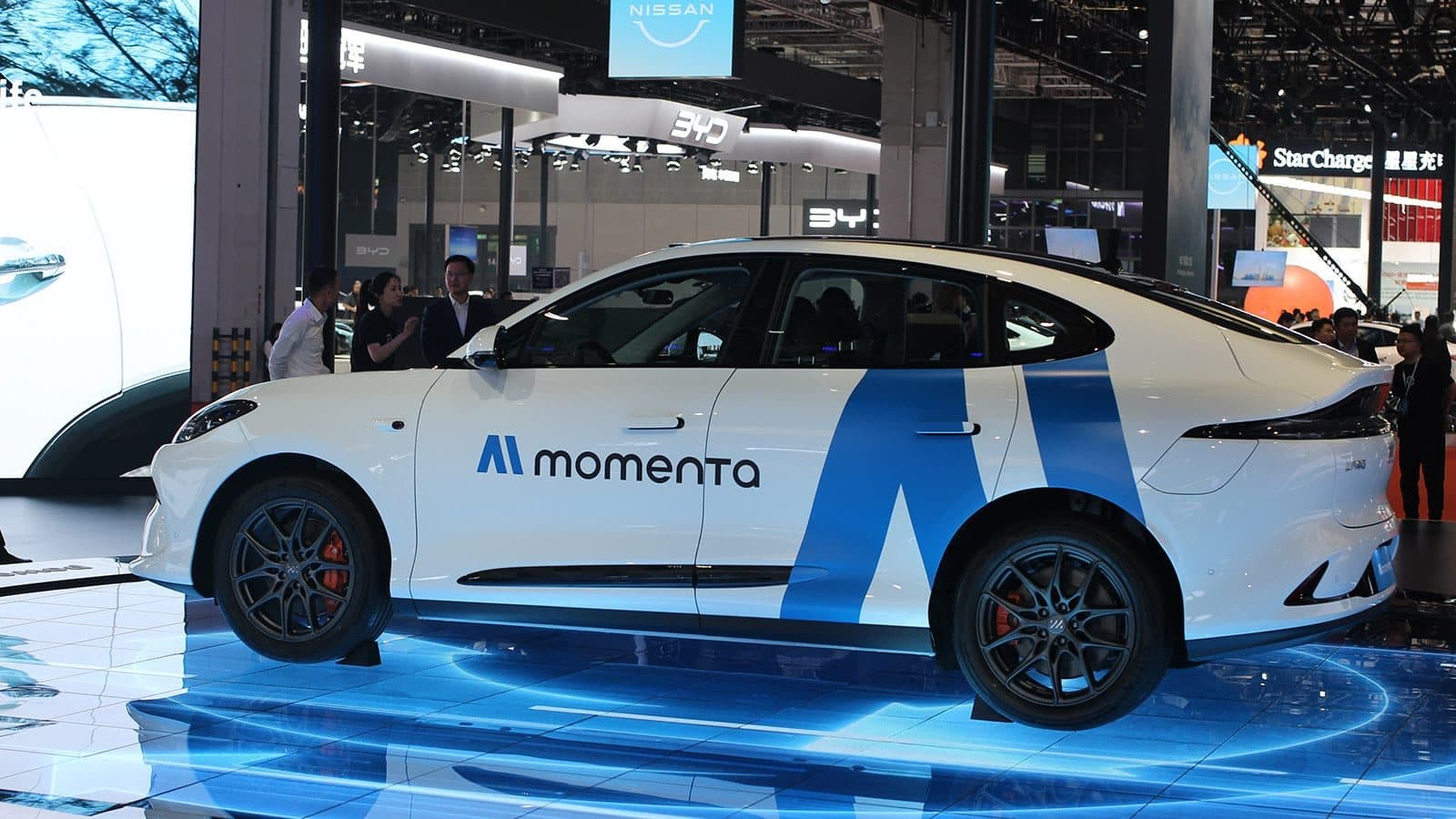
China's robotaxi industry is coming out of its deep freeze. Regulators have begun gradually issuing permits again in select cities, Bloomberg reported July 23, after largely completing a sweeping nationwide safety review by the end of June. The suspension had halted new licenses across the world's largest autonomous-driving market since April.
The night that stopped everything
The freeze traces to the night of March 31, when Baidu Apollo Go robotaxis suddenly stalled en masse on Wuhan roads — stranding passengers on a busy elevated road, with estimates of affected vehicles ranging from dozens to more than 200. Wuhan traffic police attributed it to a system malfunction; industry sources say the fleet triggered an automated safety self-check and simply stopped.
First movers
Momenta received the first new permit — intelligent-connected-vehicle road testing in Shenzhen, announced July 21, adding to its core footprint in Shanghai, Suzhou and Wuxi — while Shenzhen itself revised regulations to open the entire city to robotaxis with lower entry barriers. Baidu has been gradually restoring Apollo Go service in Wuhan since early July, with safety drivers aboard.
Caution, not reversal
The restart is deliberately incremental: city-by-city, permit-by-permit, rather than a national green light. Regulators completed the review without publishing new nationwide rules, keeping discretion local.
The stakes
China's robotaxi champions — Baidu, Pony.ai, WeRide, and now Momenta — spent the freeze expanding abroad. A reopened home market restarts the scale race that global rivals, including Tesla's fresh seven-metro US network, are watching closely.