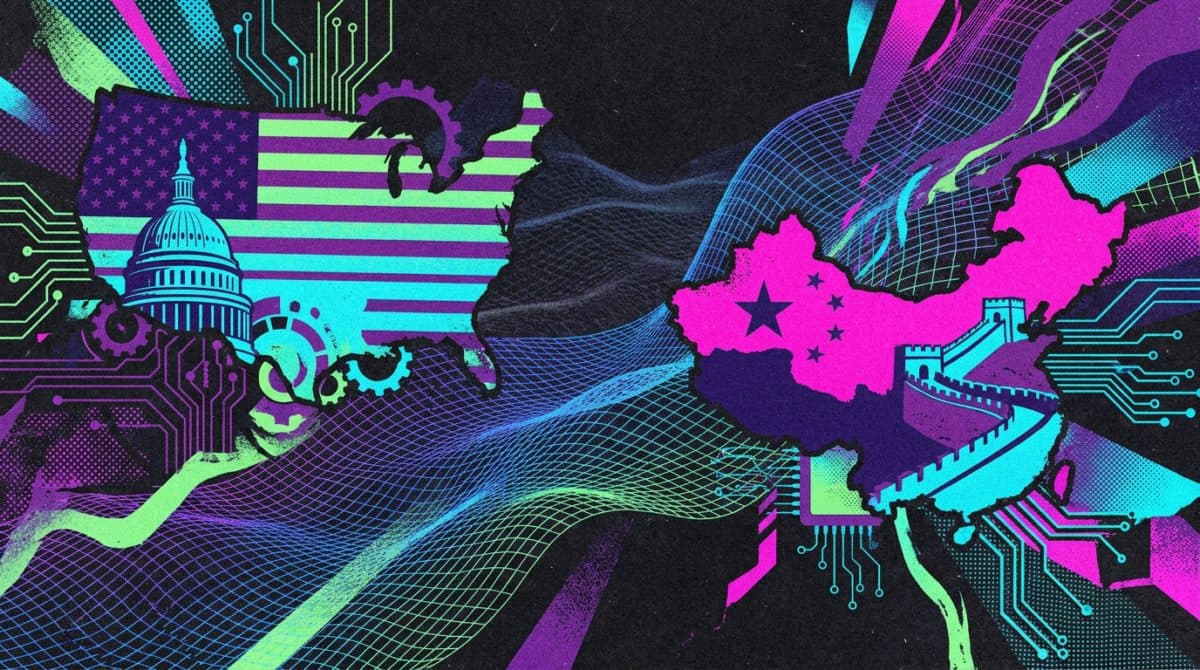
Parts of the Trump administration are again weighing ways to restrict foreign open-weight AI models, according to a report by Axios, after the release of China's Kimi K3 revived long-running concerns in Washington. Axios framed the effort as one that "could lock in dominance by OpenAI and Anthropic."
Which agencies, which levers
The report names the Commerce Department, the NSA and the White House Office of the National Cyber Director as involved in the discussions. The mechanisms under consideration are indirect: additions to the Entity List, federal procurement rules, and revived draft executive-order proposals that would impose security guarantees on US companies hosting Chinese models — not a straightforward download ban.
'Slower and more durable'
One administration source described the strategy to Axios as a gradual squeeze rather than a single decisive move: "What's actually happening is slower and more durable." A separate source said the push leans on highlighting potential backdoors and security weaknesses in Chinese models, and the governance risk that brings — regulatory pressure designed to make regulated enterprises quietly back away.
Sacks breaks with the labs
Notably, AI and crypto adviser David Sacks came down against the closed labs, not the open models. "The leading closed labs, already a duopoly in terms of AI model revenue, want the government to eliminate their open-source competition," he said, calling on "the vast majority" of Silicon Valley that "still values open competition" to speak up. His stance underscores that the fight is as much inside the US industry as between Washington and Beijing.
Deliberations, not policy
Nothing has been enacted; the reporting describes internal exploration. Moonshot is due to release Kimi K3's weights on July 27, and how — or whether — the administration acts before then will signal how far it is willing to go to protect American model developers from cheaper, freely downloadable rivals.