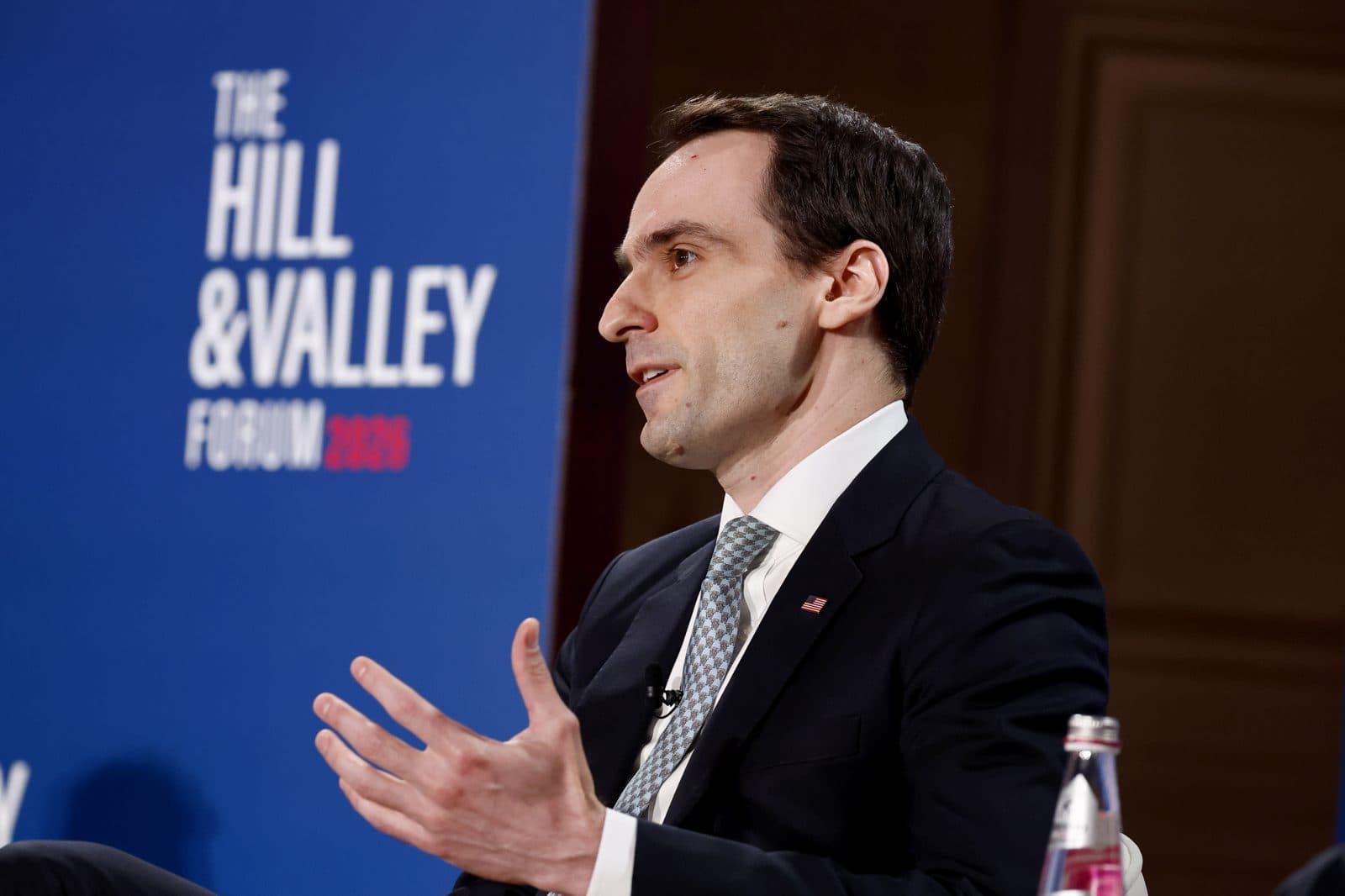
The White House escalated its confrontation with China's fastest-rising AI lab on July 22: Michael Kratsios, director of the Office of Science and Technology Policy, said the administration "has information" that Moonshot AI distilled Anthropic's Fable model to develop Kimi K3, the open-weight system that has rattled Washington since its July 16 release.
The accusation
Kratsios said Moonshot "developed a sophisticated internal platform to conduct large scale distillation against U.S. models, allowing them to quickly switch between multiple methods of access to avoid detection." He distinguished legitimate distillation from "large-scale, covert industrial distillation" — and added that Moonshot obtained Nvidia GB300-equipped servers and accessed GB300s in Thailand, likely for training, despite export restrictions tightened in May.
The paper trail
Anthropic laid groundwork in February, when it reported that three Chinese companies used some 24,000 fraudulent accounts for over 16 million Claude interactions — with 3.4 million-plus exchanges attributed to Moonshot, some tied to accounts matching public profiles of senior Moonshot staff. A day before Kratsios spoke, Treasury Secretary Scott Bessent warned that overseas models "stealing from our great companies" could face sanctions.
Beijing pushes back
On July 23 the Chinese embassy in Washington called the claims "entirely unfounded," with spokesperson Liu Chang urging the US to "discard prejudice and stop smearing." Moonshot did not comment; Nvidia declined.
The evidence gap
Kratsios released no logs or procurement records, and researchers note the timeline is tight — Fable 5 became publicly available July 1, and the roughly 2.8-trillion-parameter K3 shipped just over two weeks later.