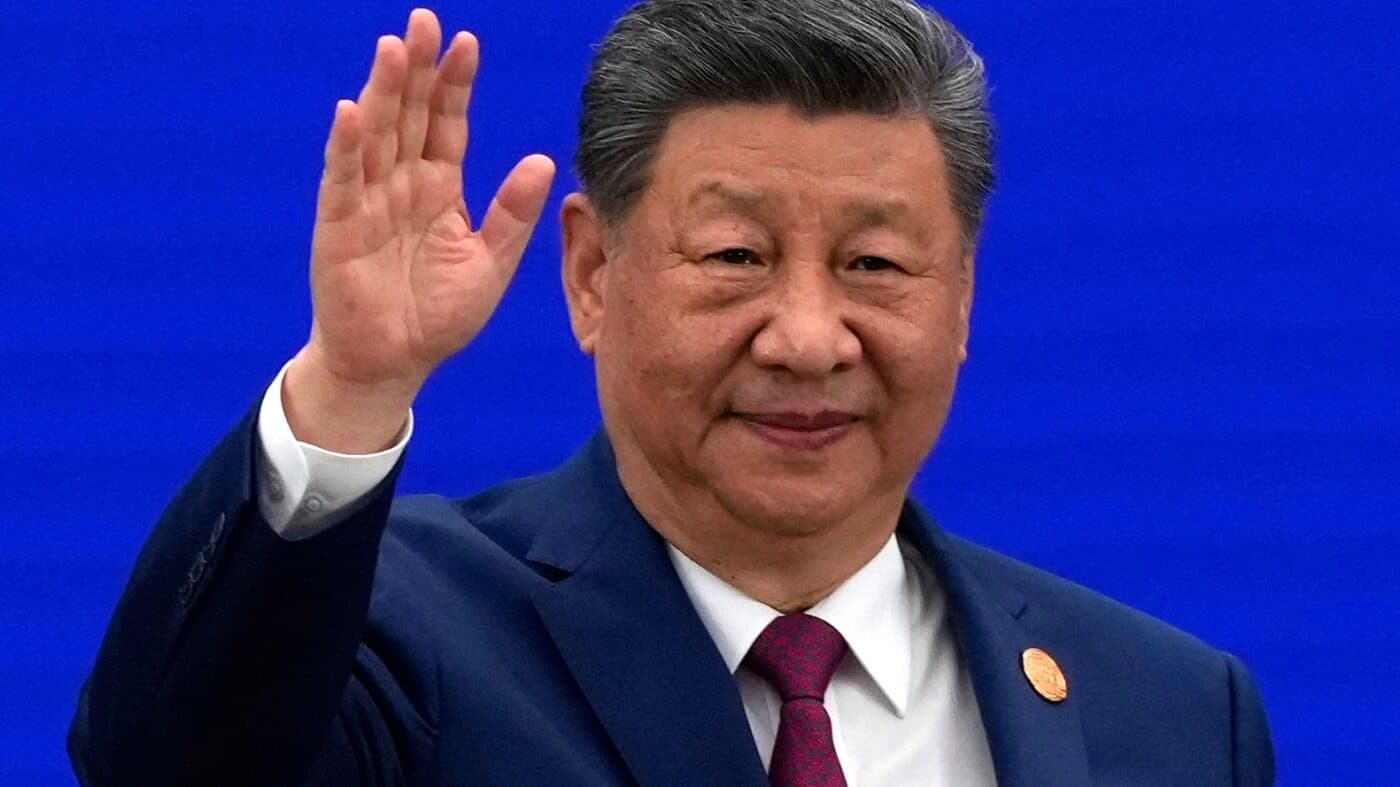
China's president Xi Jinping opened the 2026 World Artificial Intelligence Conference in Shanghai on July 17 with the event's most consequential keynote to date — the first delivered in person by a Chinese head of state since WAIC began in 2018, and a direct pitch for a China-centered alternative to Washington's technology order.
A symphony, not a solo
AI "should not be a solo performance by any single country but rather a symphony of global cooperation," Xi told delegates, according to the Associated Press. The sharper line followed: "We should together oppose the practice of overstretching the concept of national security in the field of artificial intelligence" — an unmistakable reference to US export controls that have squeezed China's access to advanced chips since 2022.
The new organization
Around the conference, 29 countries — including Russia, Pakistan and Kazakhstan, with coverage also naming Indonesia and Laos — signed an agreement with China to establish the World Artificial Intelligence Cooperation Organization. The intergovernmental body will be headquartered in Shanghai and is billed as promoting "beneficial, safe and fair" AI development under UN Charter principles. Notably absent from the signatory list: the United States, the EU's major economies, Japan and South Korea.
The stagecraft
WAIC 2026 runs through July 20 with more than 1,100 companies exhibiting and 1,400+ invited guests. The hardware on the floor carried its own message: Huawei publicly displayed its Atlas 950 SuperPoD supernode for the first time, and domestic labs timed releases to the event — Moonshot's 2.8-trillion-parameter Kimi K3 landed the evening before opening day.
The split screen
The choreography lands mid-way through a year in which Chinese models have climbed into the global top tier on independent benchmarks while Beijing simultaneously restricts which Nvidia chips its own champions may buy. Xi's message — cooperation with everyone except the country trying to contain it — is aimed squarely at the Global South governments Washington has struggled to bring inside its AI fence.