Russian outlets reported on August 2 that a Moscow court had refused copyright protection to images generated by prompting a neural network. The plaintiff had bought source photographs, used AI to alter them, and sued a trader selling the results on merchandise.
The images and the claim
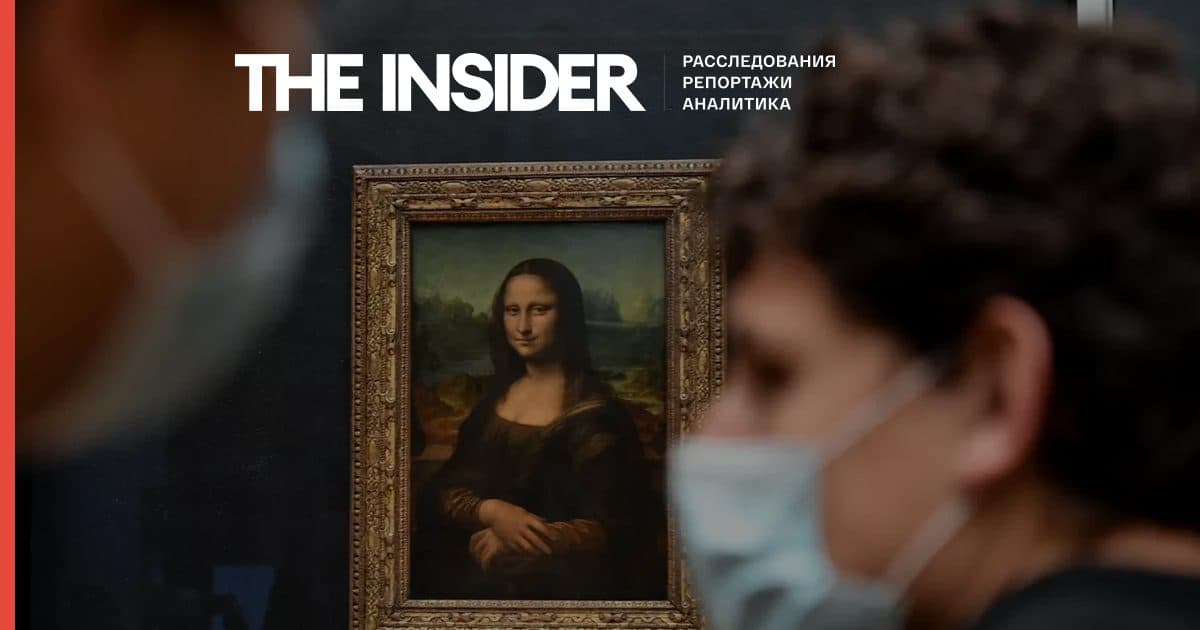
The works were "Mona Lisa with Wine" and "Statue of Liberty with Wine" — Liberty's torch replaced by a wine glass, the Mona Lisa's arm position, expression and hairstyle changed. An individual entrepreneur sold them on t-shirts, hoodies, sweatshirts and thermal mugs.
What the court said
Issuing commands to AI "represents simple mechanical actions of an exclusively technical character." The plaintiff's contribution was "limited to clarifying commands, which is not considered creativity." The court added that AI lacks consciousness and so cannot exert creative effort of its own.
Two reasons not to call it a landmark
First, nothing about it can be checked. No outlet names the court, the case number or the date of the decision — one publication flagged that gap explicitly. A technology forum has since identified it as Presnensky District Court, with a case identifier whose embedded timestamp points to a filing from late 2024 or early 2025 — meaning the decision itself may be far older than the weekend's publicity. Second, the court did not lay down a general rule that AI images carry no rights. It rejected this claimant on two independent grounds, the second being ordinary lack of originality — the motifs were found "frequently used in art," which would have sunk the claim with no AI involved at all.
How it differs from the US test
The reasoning is harsher than the American standard. Washington asks how much human authorship a work contains; this asks nothing, treating prompting itself as labour rather than authorship.