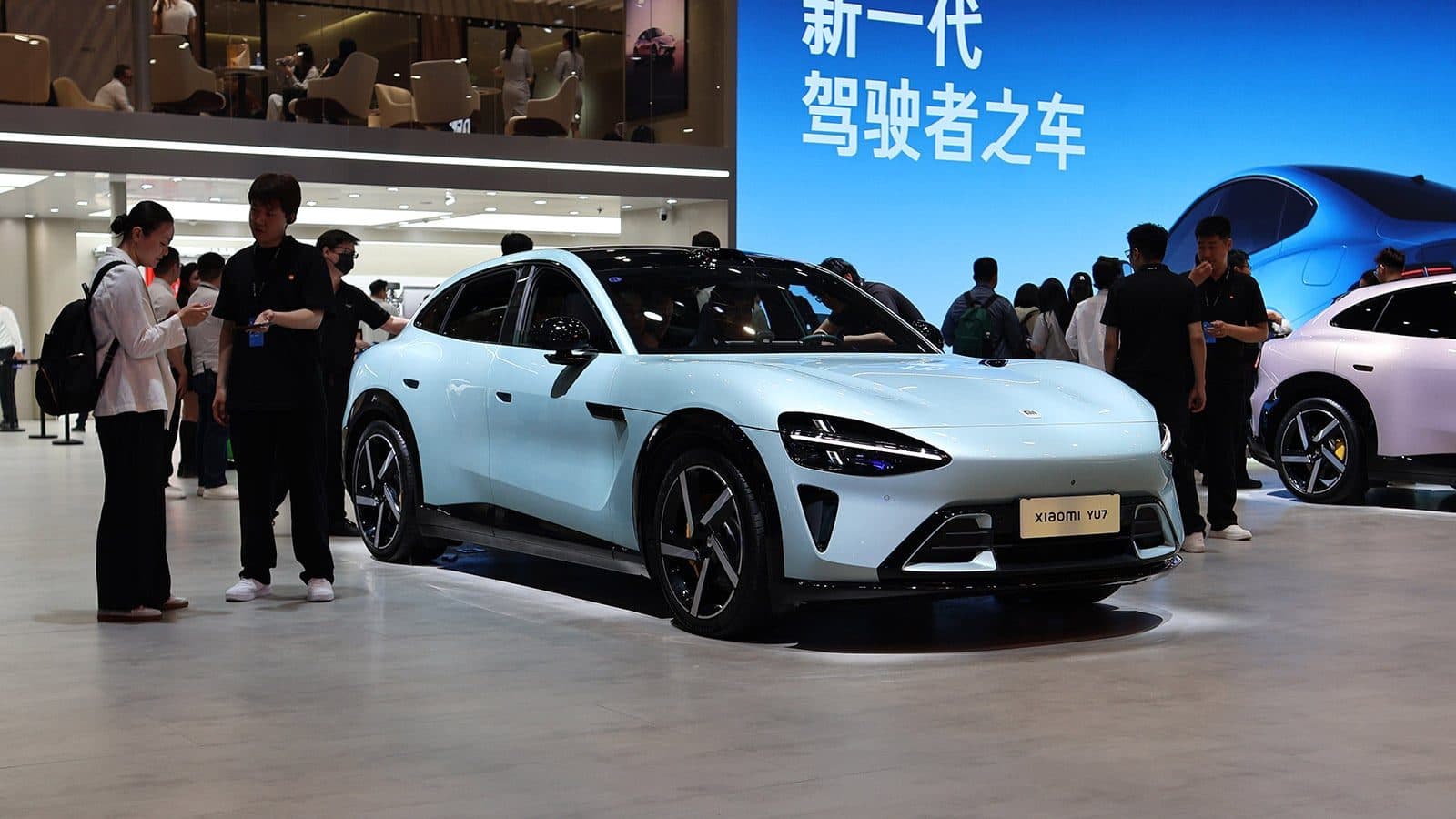
Xiaomi said on August 3 that police had penalised two social media users for generating and spreading fabricated AI videos showing its cars crashing. Chinese outlets carried the company statement from about 18:30 Beijing time.
What the penalties were
One user, identified only as 旧**口, was described as having made long-term use of AI to generate false crash footage defaming Xiaomi's vehicles and insulting company executives. That user received seven days of administrative detention and an order to delete every infringing link. A second user, 花**车, produced similar fabricated footage and received an administrative fine and a deletion order.
How the company framed it
Xiaomi's public relations head Xu Jieyun said AI is good technology, but that it should not be misused — "especially don't use AI to spread rumours, or you will definitely pay the price" — and the company repeated the standard formula that the internet is not a lawless space.
This is not a deepfake ruling
It reads as synthetic-media enforcement; it is at least as much brand protection. The penalties are administrative, issued by police without a court, against pseudonymous accounts, on a low evidentiary threshold. Nothing here establishes a legal test for AI-generated video. What it establishes is a route: a corporate complaint converting into custody within days, with no judge asked to weigh whether the footage was satire, criticism or fabrication. Administrative detention in China is an instrument police apply directly, and seven days is inside the range they can impose without referring anything upward.
Do not merge it with the Xi'an case
A much larger Xiaomi matter was announced on June 17 — a criminal case involving three MCN agencies, 14 people netted, four criminally detained, more than 340,000 yuan traced and 29 computers seized. That is a separate proceeding. Folding the two together, as some coverage does, overstates this week's action by an order of magnitude.