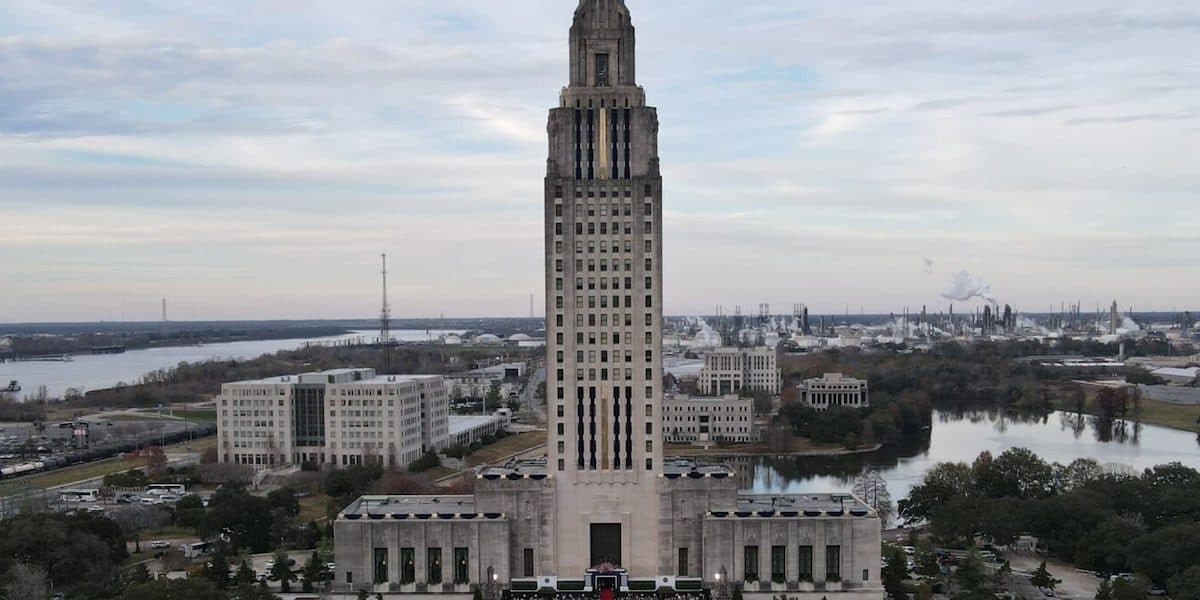
A package of Louisiana laws written around artificial intelligence took effect on August 1, the state's default commencement date. The heaviest is House Bill 119, by Rep. Bryan Fontenot, which expands the state's criminal statutes governing AI-generated sexual imagery.
The sentence
Creating or possessing AI-generated material depicting a minor in sexual conduct now carries 5 to 20 years at hard labor and a fine of up to $10,000, with the first five years served without benefit of parole. The bill also creates offences covering AI-generated sexual images of adults produced or distributed without consent.
The clause that arrived quietly
House Bill 459 took effect the same day and has the wider reach. Any political advertisement containing materially altered images, audio or video created with artificial intelligence must now disclose that fact. The penalty is up to $10,000, up to two years' imprisonment, or both — and it lands roughly three months before the November midterms.
What is not new in the August 1 package
Syndicated write-ups have folded Louisiana's rules on AI-generated evidence in court into the same list, which reads as though the state is only now addressing them; those provisions trace to earlier legislation rather than to this session. Coverage also does not agree with itself on the act number and authorship attached to the deepfake law — at least one outlet assigns a different act number and a different legislator than the bill record does. The bill numbers are the stable identifiers here, and the act numbers in circulation should not be repeated without checking the enrolled text.
Where this sits nationally
Most US states that have moved on AI sexual imagery have done it through civil remedies or misdemeanour-grade offences. A five-year parole-ineligible floor puts Louisiana at the punitive end of that range. The staggering is telling too: the legislature was willing to push the softer consumer-privacy items out to 2027 while starting this one immediately.