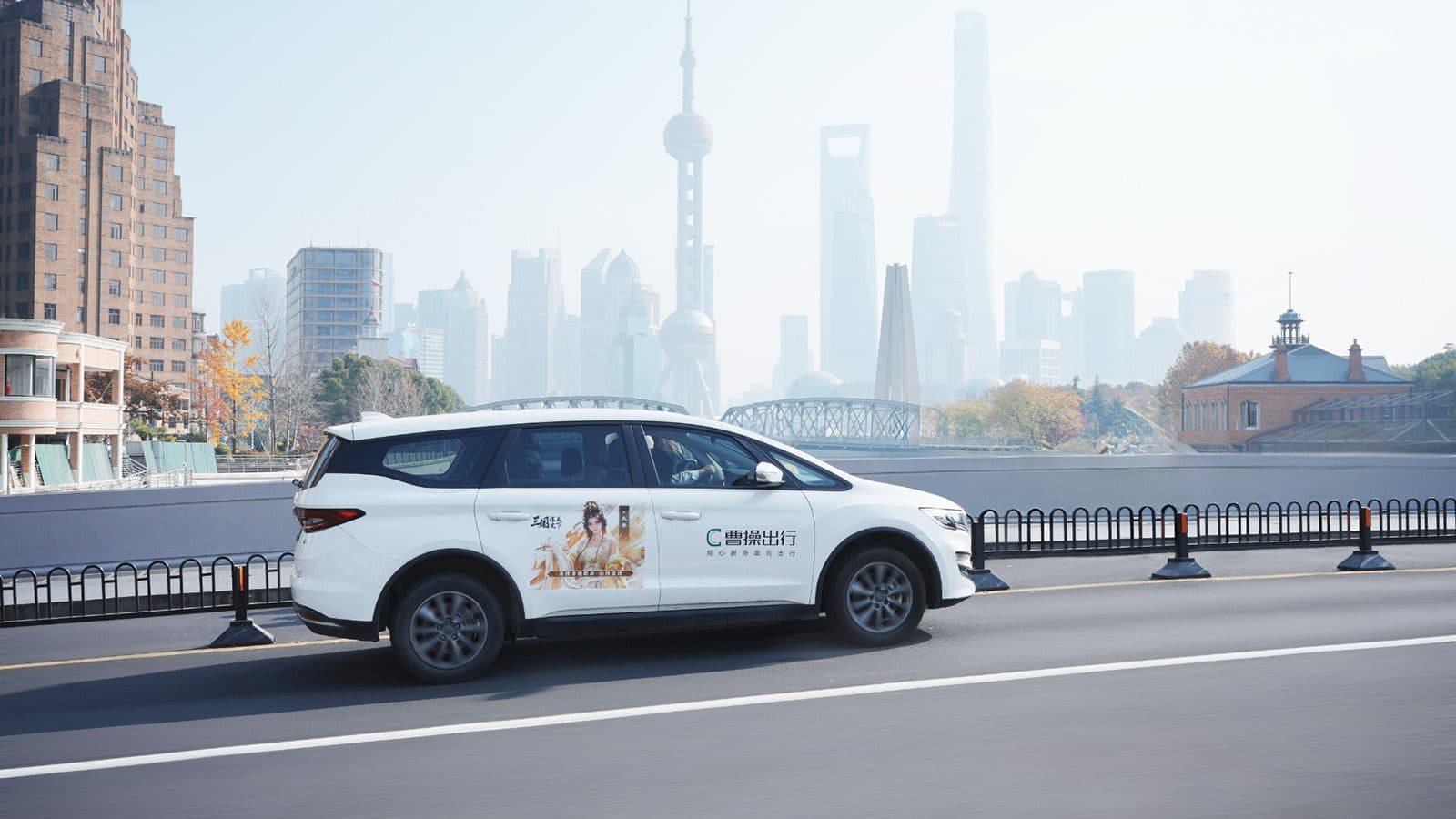
CaoCao Inc., the Hong Kong-listed ride-hailing arm of Geely, said on Monday it has begun testing robotaxis with no safety driver behind the wheel on public streets in Hangzhou.
Where and how
The testing runs on real urban roads in Binjiang district, at what the company calls limited and controlled scale, using a station-triggered dispatch model — riders join at designated points rather than being picked up anywhere. Every vehicle is tied into CaoCao Zhixing RAS, a remote safety platform providing continuous monitoring, emergency response and remote assistance.
Testing, not service
This is the distinction to hold onto. It is a driverless test programme, not a commercial paid driverless service, and the dispatch model is deliberately constrained. The company became the first authorised to road-test intelligent connected vehicles without an onboard safety driver in Hangzhou in April 2026; Monday extends that authorisation into operation.
What the fleet number means
CaoCao says roughly 100 robotaxis are deployed in Hangzhou. That is the whole fleet, most of it still running with safety drivers — not 100 driverless vehicles. Its purpose-built Eva Cab is slated for mass production in 2027, and the claim that it is China's first purpose-built robotaxi is company marketing that Baidu's Apollo RT6 contests.
Single-source, for now
The announcement is a company press release. No independent verification of the operations exists yet, and no third party has published observations from Binjiang.
The timing
It lands days after Chinese regulators resumed issuing robotaxi permits following a freeze, and it puts a second tier of operator — a ride-hailing platform rather than an autonomy specialist — into driverless testing.