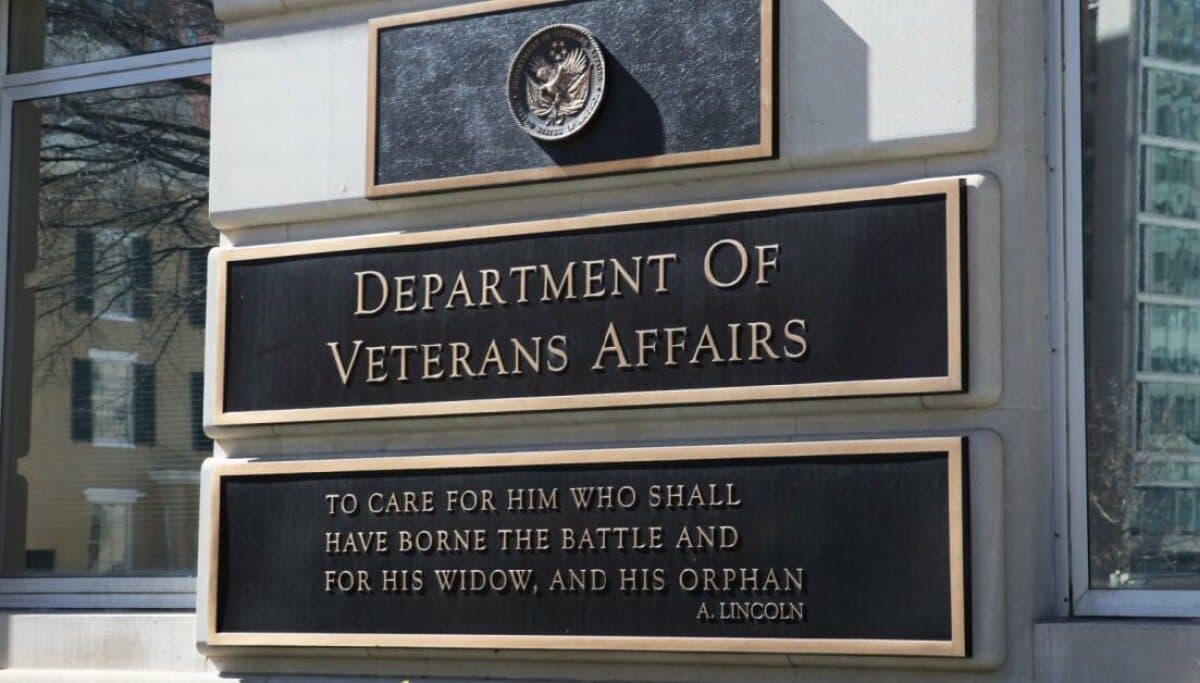
The Department of Veterans Affairs has awarded Salesforce an agreement worth up to $1.6 billion to deploy AI agents across veterans' care and services — structured as what Salesforce calls an Agentic Enterprise License Agreement.
What the number means
It is a ceiling, not a booking. The structure is a one-year base period plus two one-year options, which VA must choose to exercise. Describing this as Salesforce winning $1.6 billion in revenue, or as a three-year contract, gets both facts wrong. The arrangement is flat and seat-based.
The scope
Products deployed are Missionforce, Agentforce Public Sector and Agentforce Health, reaching 17 million veterans across 170 VA medical centers and more than 1,100 outpatient clinics. VA handled 82 million direct-care appointments in 2025, and more than 150 centers already run Salesforce. The stated target is cutting average appointment scheduling from 28 days to minutes once fully deployed — a goal, not a result.
Not a staff replacement
VA press secretary Quinn Slaven said on the record that this is not a means of replacing the department's customer service representatives, and attributed the savings to consolidating several IT contracts. Coverage framing this as AI replacing VA call center staff is unsupported by the announcement.
The department's history here
Oracle's VA electronic health record contract, originally $9.99 billion when awarded in 2018, was suspended in 2023 over patient-safety issues and only restarted in 2025. It is the most recent evidence of what happens when a department-wide technology commitment meets clinical reality.
The open question
Gartner analysts have questioned whether flat seat-based agent licenses survive contact with usage costs, since inference is metered and seats are not. Salesforce disputes the concern. The VA also has history here: Oracle's electronic health record contract was suspended in 2023 over patient-safety issues before restarting in 2025.