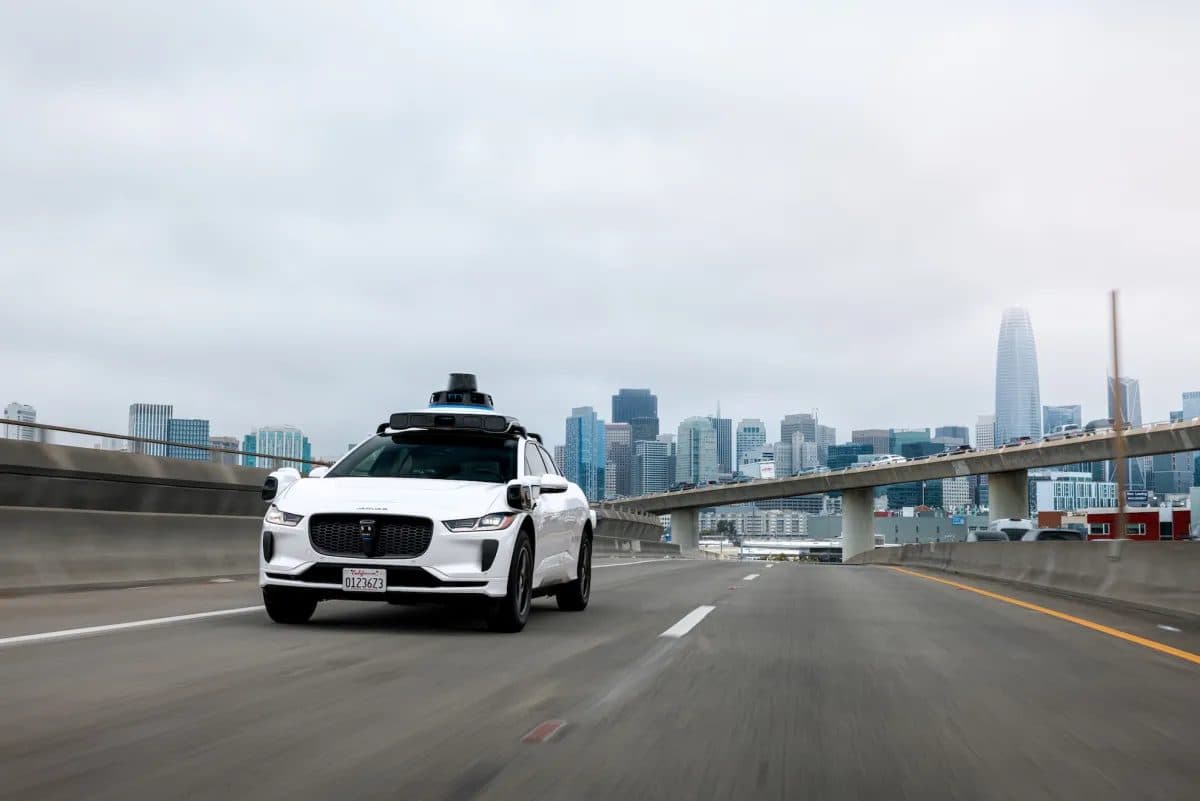
Waymo began returning its robotaxis to freeways on 29 July, starting in Phoenix and extending to Los Angeles and the San Francisco Bay Area. Freeway driving had been suspended since May 2026.
What caused the pause
In June, Waymo recalled roughly 4,000 vehicles — its sixth recall — after at least 13 cases of its vehicles driving into closed construction zones. No injuries were reported. In autonomous vehicles a recall generally means a software update rather than a return to a service centre, which is why fleets of this size can be recalled and repaired quickly.
Why construction zones are hard
They are the standing problem in autonomous driving. Cones, temporary signage, hand signals and lane markings that contradict the map are, by definition, deviations from the world the system was trained on — and they change daily. A closed zone entered at surface-street speed is an embarrassment; the same error on a freeway is not.
Why freeways are the prize
They are also where the business is. Freeway access is what makes airport runs and cross-town trips competitive with human drivers on time, and it is the difference between a service that works inside a neighbourhood and one that works across a metro area. Speeds are higher and the consequences of error scale accordingly, which is why it was the first capability withdrawn and the last restored.
The pattern
Six recalls is not a small number, but each has followed the same shape: a bounded failure mode identified, a software fix, a staged return. It is a slower and more visible process than the industry's early promises implied — and a more legible one to regulators than the alternative.