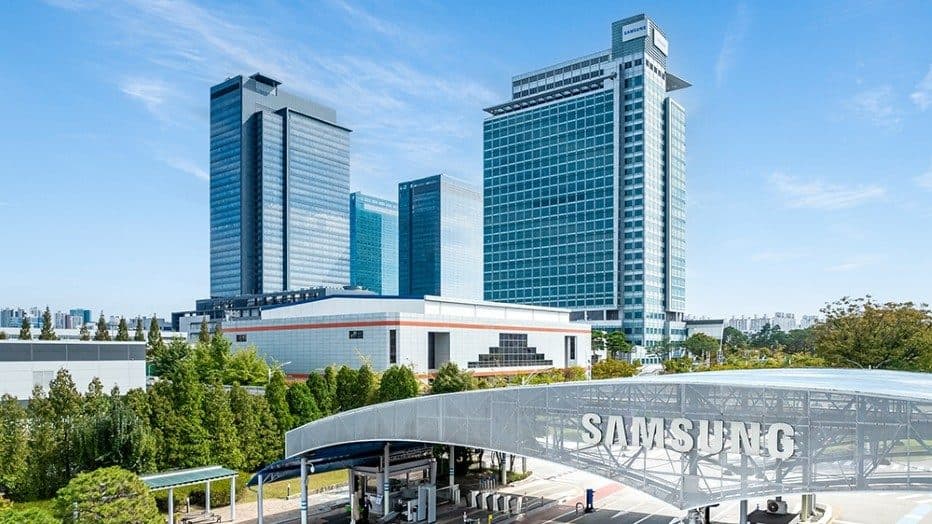
Samsung Electronics reported second-quarter results on 29 July that are difficult to describe without sounding like a typo. Group operating profit reached 89.5 trillion won — roughly $62 billion — up 1,814% year over year. Revenue was 171.5 trillion won, up 130%.
One division is the company
The Device Solutions semiconductor division produced 89.2 trillion won of that operating profit — about 99.7% of the group total. Its operating margin entered the 70% range for the first time, up from 65.7% the previous quarter. Server memory demand held up on AI infrastructure spending and the spread of agentic AI, with Samsung expecting supply tightness to run into 2027.
And one division is paying for it
The Galaxy mobile business recorded an operating loss of 0.7 trillion won — the first in its history. The cause is the boom itself: memory and component prices set by the same shortage that is enriching the chip division land on the handset division as cost. Samsung is, in effect, watching one half of itself invoice the other.
The market was not impressed
Despite record profit, revenue came in below expectations and the shares fell about 7%. Investors positioned for a flawless print got a lopsided one, and the mobile loss raised a question the memory numbers cannot answer: what the consumer-electronics business looks like if component inflation persists into a second year.
The context
This lands two days after Korean chip stocks crashed — Samsung fell 13.39% and SK Hynix 14.65% on 28 July, tripping the KOSPI's circuit breaker. The results say the fundamentals are extraordinary; the tape says the market is pricing something else entirely.