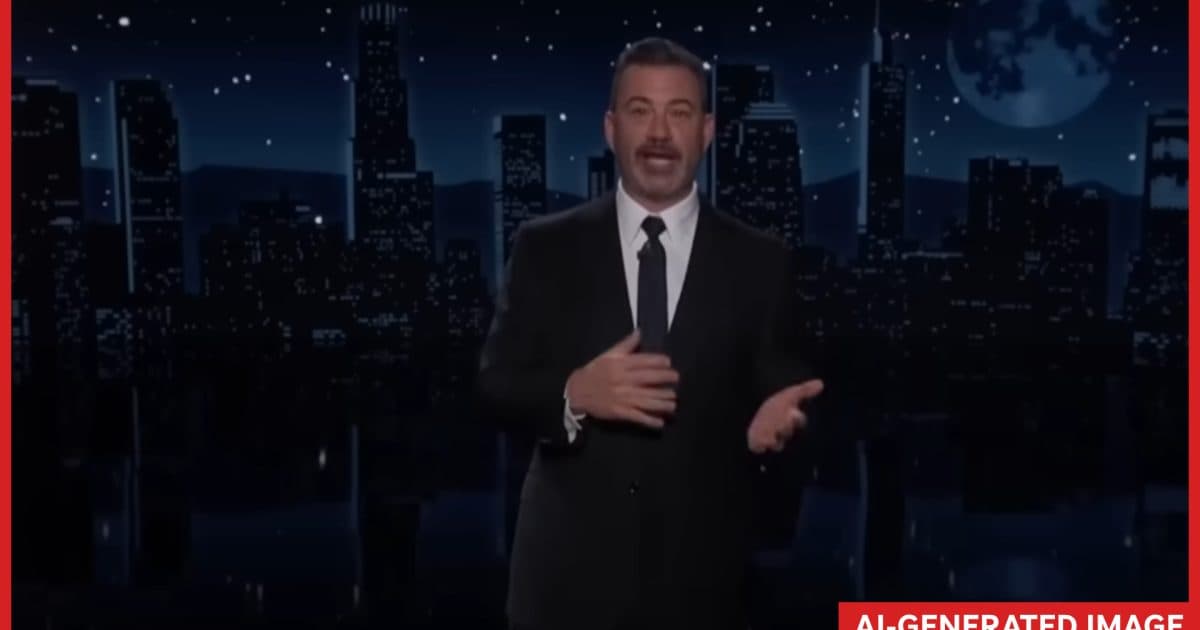
NPR published an investigation into AI-generated fakes of late-night hosts on 30 August at 11:00 UTC. The reporting, by Chloe Veltman, tracks synthetic monologues attributed to Jimmy Kimmel, Jon Stewart, Sean Hannity and Greg Gutfeld across YouTube, TikTok, Instagram, Facebook and X.
The enforcement detail that undercuts the statements
TikTok, Google and Meta all sent NPR statements describing their AI-labelling requirements and detection systems. Then Meta required NPR to submit an example before it would answer questions — and confirmed it had taken down the page in question, one featuring Kimmel, after being notified by NPR. That is the sequence worth holding onto: the removal that happened was reporter-initiated. Nothing in the account describes a platform system finding it first.
What is still up
A YouTube video of a deepfaked Kimmel discussing Trump was live at publication three weeks after posting, with more than 230,000 views. A Jon Stewart deepfake concerning Italian Prime Minister Giorgia Meloni has been on TikTok for more than two months with no visible AI label — a labelling failure, on the platforms' own stated policy, measured in months.
Why this format specifically
Dartmouth's Hany Farid explains the production economics: hosts sit or stand in one place, so a single still can be animated. "Here's a voice, fifteen seconds. Here's a script. Go." The credibility comes from format rather than fidelity — Kimmel genuinely does discuss politics nightly and those clips genuinely do circulate daily, so a fake monologue requires no suspension of disbelief. LateNighter's Jed Rosenzweig notes the tells are unglamorous: odd gestures, writing that does not sound live, and the host vanishing after ten seconds while a cloned voice runs over news footage.
The legal gap, and a widely misapplied statute
IP litigator Louis Tompros describes this as "a little bit of a gap in the law" — copyright reaches unauthorised uses of creative works, not unauthorised synthetic doubles of creative people. A few states, including California and Tennessee, protect against voice clones and video deepfakes. The federal TAKE IT DOWN Act is frequently invoked in coverage of this problem and does not apply: it criminalises non-consensual intimate deepfakes, not commentary impersonation. There is no federal remedy here. Roughly a quarter of Americans still watch late-night regularly, per a 2025 AP-NORC survey.