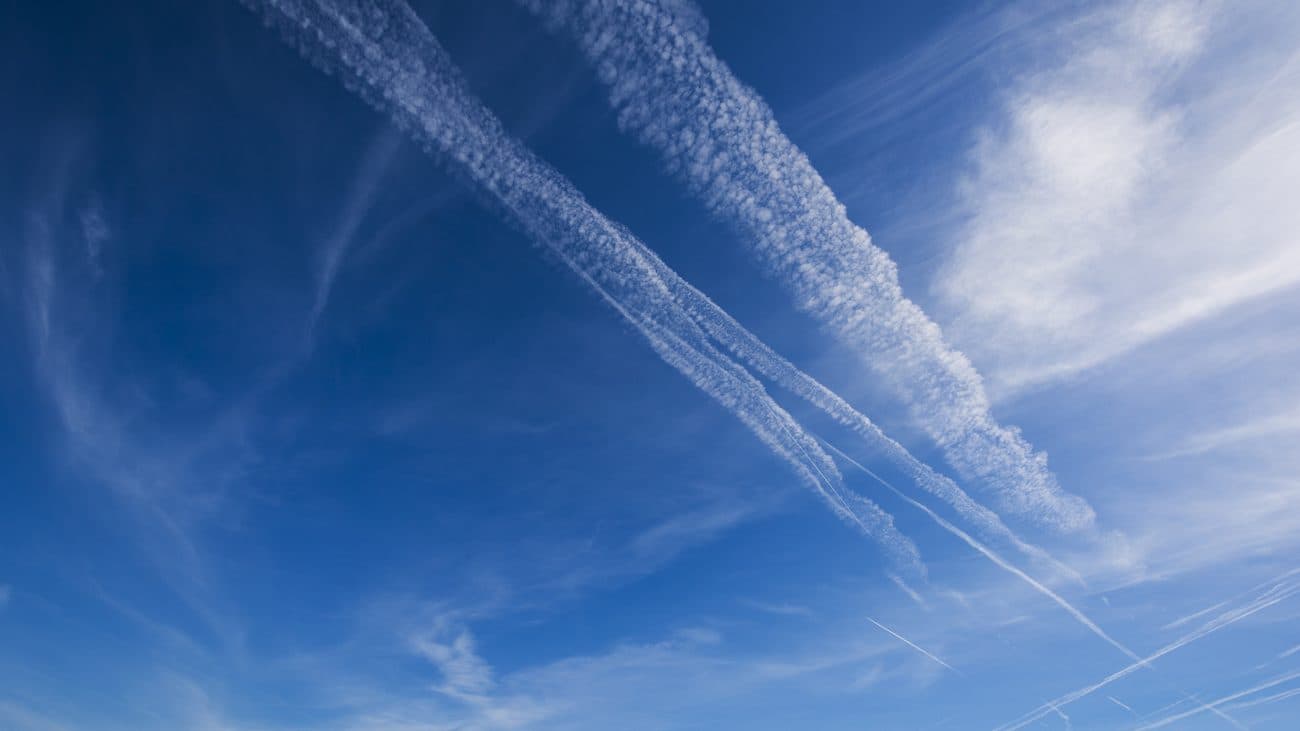
Google published an operational trial with Cathay Pacific on 7 September, its first commercial airline partner in Asia, testing AI-guided contrail avoidance on ultra-long-haul routes. The system predicts where cold, humid air will turn an aircraft's exhaust into a persistent, heat-trapping cloud, and asks pilots to shift altitude slightly to miss it.
What the trial actually measured
Google says it targeted more than 100 flights across Cathay's network, of which more than 80 flew the contrail-avoidance routes. On those flights, Google's own satellite imagery analysis estimates the warming impact of contrails fell by roughly 40%. The trial defines ultra-long-haul as routes over 16 hours, typically 13,000 km or more.
One corridor carries the result
The concentration is striking and Google states it plainly: interventions on the Hong Kong-Singapore route alone account for more than 50% of the trial's total emissions reductions. That is a single corridor supplying the majority of the benefit, which is a finding about where contrail-forming air sits, not a general result about the network.
What the framing gets wrong
The 40% is not 40% of aviation's climate impact, and not 40% of these flights' total warming. It is the reduction in the contrail component only, on the subset of flights that complied. Google's own page puts contrails at roughly one-third of aviation's total climate impact, so the headline figure is a large cut of a minority share. The 100-flight number also overstates compliance: a fifth of targeted flights did not fly the routes.
The number that is missing
Flying around humid air generally costs fuel, and burning more fuel emits more CO2 — the trade-off that determines whether contrail avoidance is net positive. Google's post says the altitude changes "are not expected to impact passengers or the safety of the flight" and calls the method cost-effective, but it publishes no fuel-burn figure at all. Anyone reporting this as a free climate win is filling in a blank the source leaves empty. Google is now scaling to a second, larger phase with the nonprofit Contrails.org.