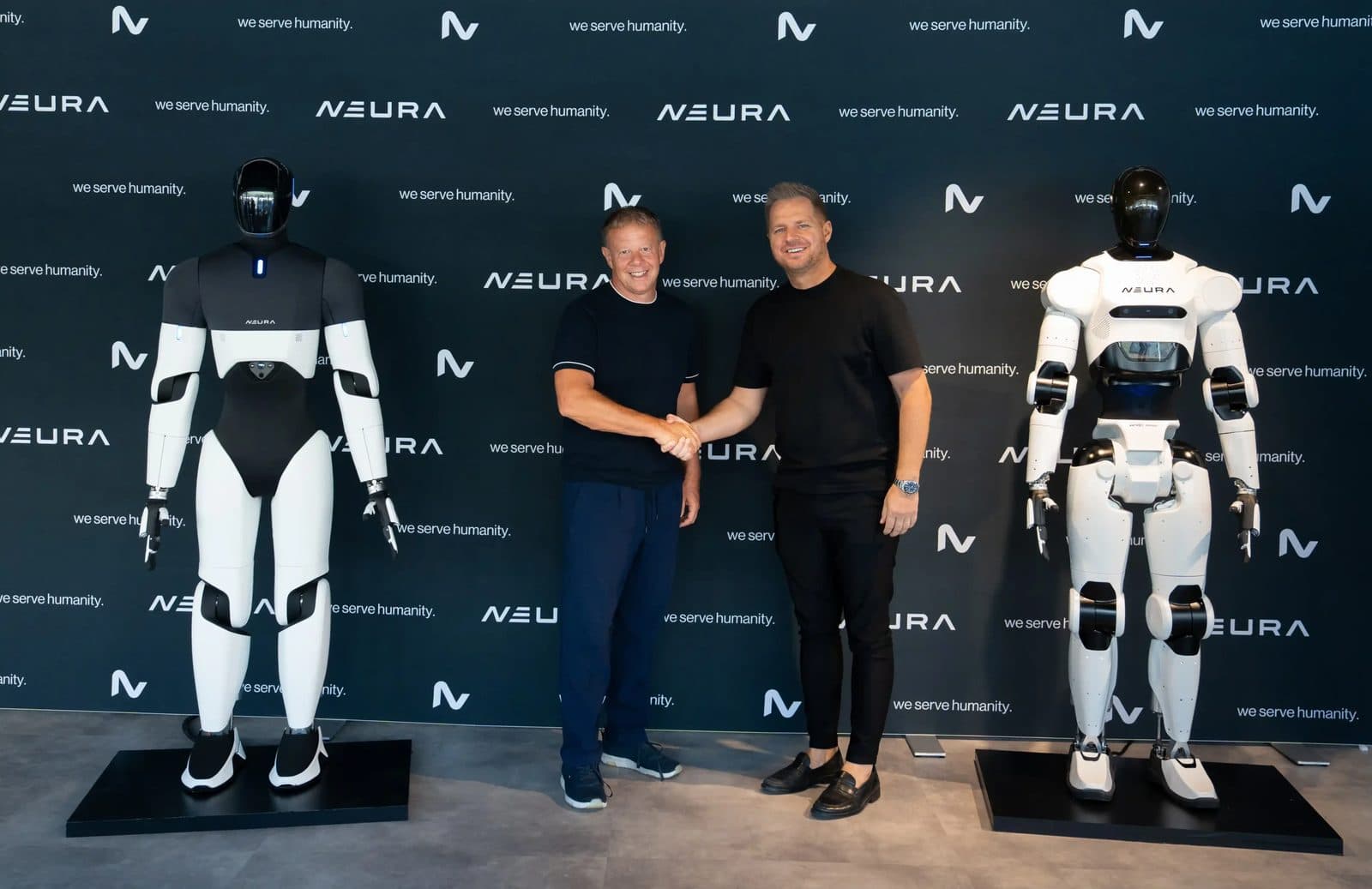
NEURA Robotics and Italian embedded-computing firm SECO published a partnership on 7 September at 06:00 UTC covering electronic compute modules for NEURA's cognitive robots, including its 4NE1 humanoid. The pitch is European supply for European robotics: design, engineering and manufacturing kept on the continent.
What is actually agreed
SECO is to design, engineer and manufacture the compute modules — the boards that carry the processors, not the robots themselves. The silicon underneath is Qualcomm Dragonwing. That element is not new: NEURA announced its Qualcomm relationship in March 2026, and this release extends it to a manufacturing partner rather than establishing it.
What the framing gets wrong
Partnership announcements of this shape are routinely reported as supply deals, and this one supplies nothing quantified. There is no unit volume, no contract value, no delivery schedule and no statement that the arrangement is binding. A joint intention to build boards together is not a purchase order, and nothing in the text distinguishes the two. The "NEURA Gym in Italy" that appears in coverage sits under the release's own next steps heading — it is proposed, not built.
Why it still signals something
The substance is directional rather than numerical. Humanoid robotics compute has been an American-and-Chinese supply story, and a German robotics firm contracting an Italian manufacturer for its compute stack is a European industrial-policy datapoint whatever the volumes turn out to be. NEURA has previously stated ambitions to ship 4NE1 at scale; whether this partnership underwrites that depends entirely on numbers neither company has released.
What a compute module decides
The board is not an incidental component. In a humanoid it sets the power envelope, the thermal budget and how much of the perception and control stack can run onboard rather than being streamed to a server — which in turn determines whether a robot works in a factory with poor connectivity. Choosing Dragonwing, a mobile-derived platform, points at a low-power onboard design rather than a workstation-class one. SECO's role is to take that choice into manufacturable hardware, and its existing business is industrial embedded computing rather than robotics, so the partnership is as much about production discipline as about silicon.