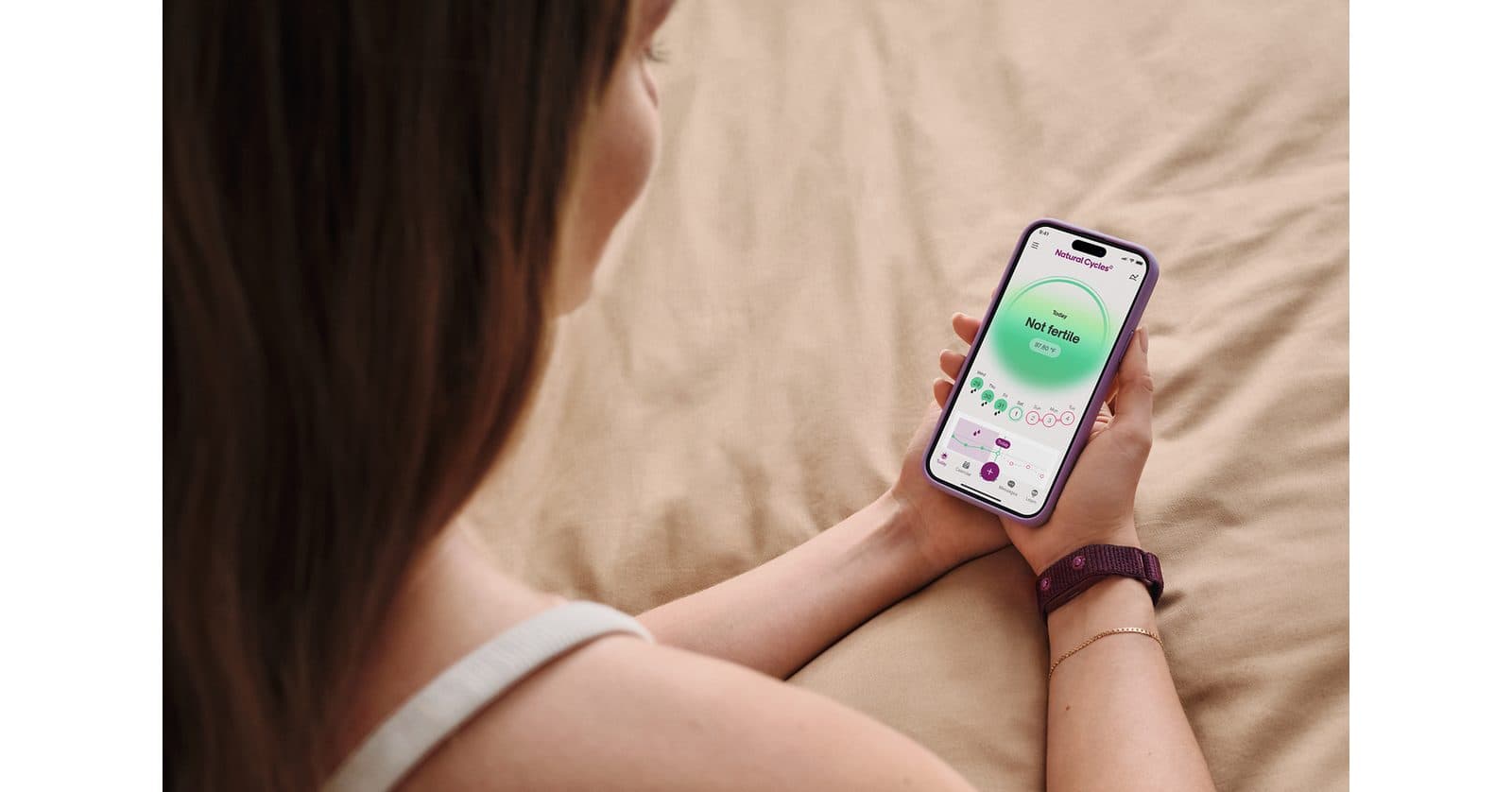
Natural Cycles announced its sixth FDA clearance at 12:03 UTC on 27 July, for a rebuilt version of the algorithm behind its contraceptive app. The clearance is real and the engineering change appears substantial. The evidence accompanying it is where this gets interesting.
What changed
The update was significant enough that it required a fresh 510(k) submission rather than proceeding under the pre-approved change-control plan the company has used for earlier hardware integrations — a meaningful signal, since change-control plans exist precisely to avoid resubmission for incremental updates. The company says the model is trained on "tens of millions of real-world fertility data points" and claims more fertile-free days, better handling of irregular cycles and low-quality data, and faster personalisation.
The numbers that are not new
The announcement states effectiveness as 98% with perfect use and 93% with typical use. Those are the existing product's figures, carried forward. The release cites no new study, no sample size and no K-number for the new algorithm's performance. A model can be cleared on substantial equivalence to a predicate device without generating fresh clinical evidence — which is exactly what appears to have happened here.
Clearance is not approval
The 510(k) pathway establishes that a device is substantially equivalent to one already on the market. It is not premarket approval, which requires demonstrating safety and effectiveness directly. The distinction gets flattened in almost every write-up, and it matters more here than in most categories, because the failure mode of a contraceptive algorithm is an unplanned pregnancy.
The missing figure
The stated purpose of the rebuild is to give users more days marked as non-fertile. The release does not say how many more. In a product where the trade-off is precisely between convenience and pregnancy risk, the magnitude of that shift is the one number that determines whether the update is an improvement or a loosening — and it is not disclosed. A separate framing error also circulates: the "first FDA-cleared birth control app" description refers to the original 2018 clearance, not this one.