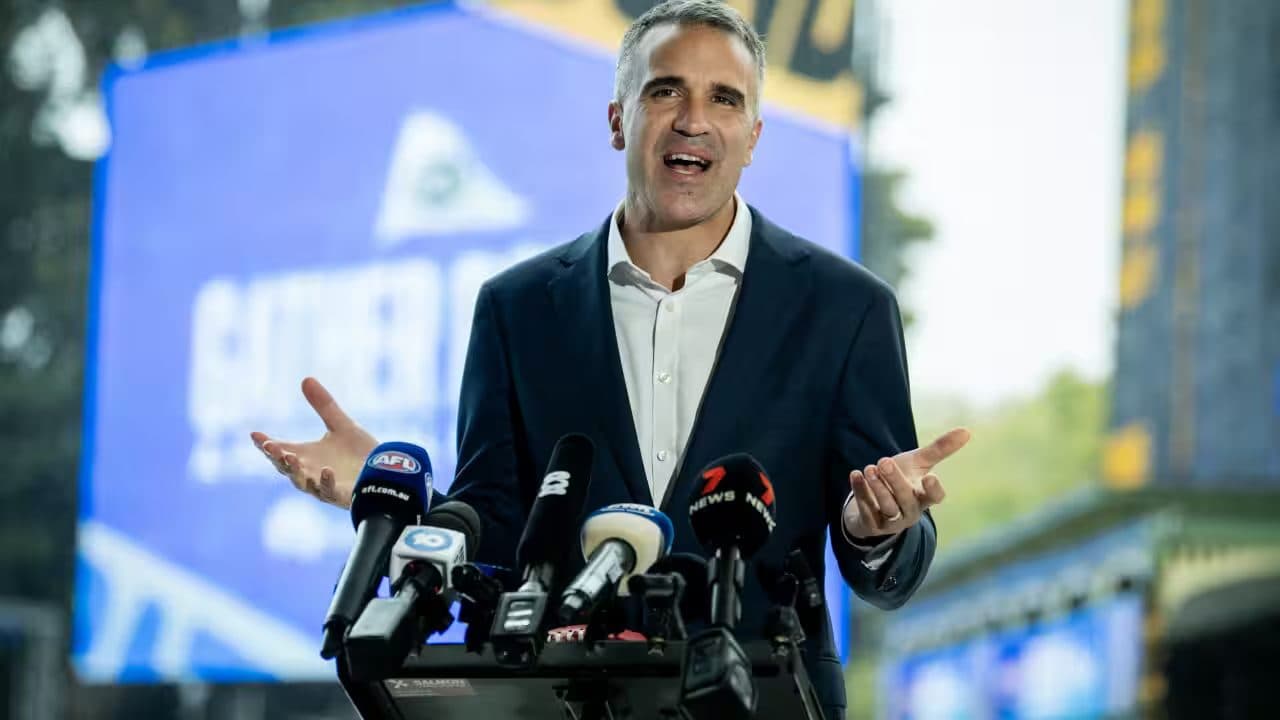
South Australian Premier Peter Malinauskas announced on 10 August a royal commission into artificial intelligence — the first major AI inquiry launched by any Australian jurisdiction, and one his government is calling nation-leading.
The parameters
Roughly A$3 million, three royal commissioners, evidence expected from October 2026, and a final report due by 1 July 2027. Evidence is to be sought from business, industry, unions, developers, academics and the creative sector. Malinauskas framed the moment as "a really important fork in the road" between letting the industry "evolve in a way that is unregulated and unchecked" and setting the agenda.
Announced, not constituted
No commissioners have been appointed, no terms of reference issued and no letters patent granted; the government says names and scope follow in four to six weeks. Headlines saying the commission has launched are ahead of the facts, and the A$3m is a government estimate rather than an appropriated figure.
What a state inquiry can actually do
A royal commission has real coercive powers over evidence, but this one sits in a state parliament. It cannot make national AI law. Its output is recommendations, aimed partly at a Commonwealth government that has spent two years not legislating.
The pairing most coverage skips
The indicated scope includes AI's water and energy consumption alongside health and education uses. It follows the Premier's US trip, where he visited OpenAI's San Francisco headquarters and signed a memorandum of understanding with president Greg Brockman — weeks before announcing an inquiry into the industry's risks.