Korea's Ministry of Trade, Industry and Energy put cumulative 2026 exports at $709.4bn "as of 1 p.m. on the 5th" — 13:00 KST, or 04:00 UTC on 5 September — passing the 2025 full-year record of $709.3bn with 117 days of the year left.
The margin, and what kind of number it is
The gap is $0.1bn, on a running customs-clearance total read at a specific hour on a Saturday. That is a threshold announcement rather than a settled statistic, and it will be revised like any monthly trade figure. The milestone is real; the precision implied by declaring it at one o'clock is not.
The concentration
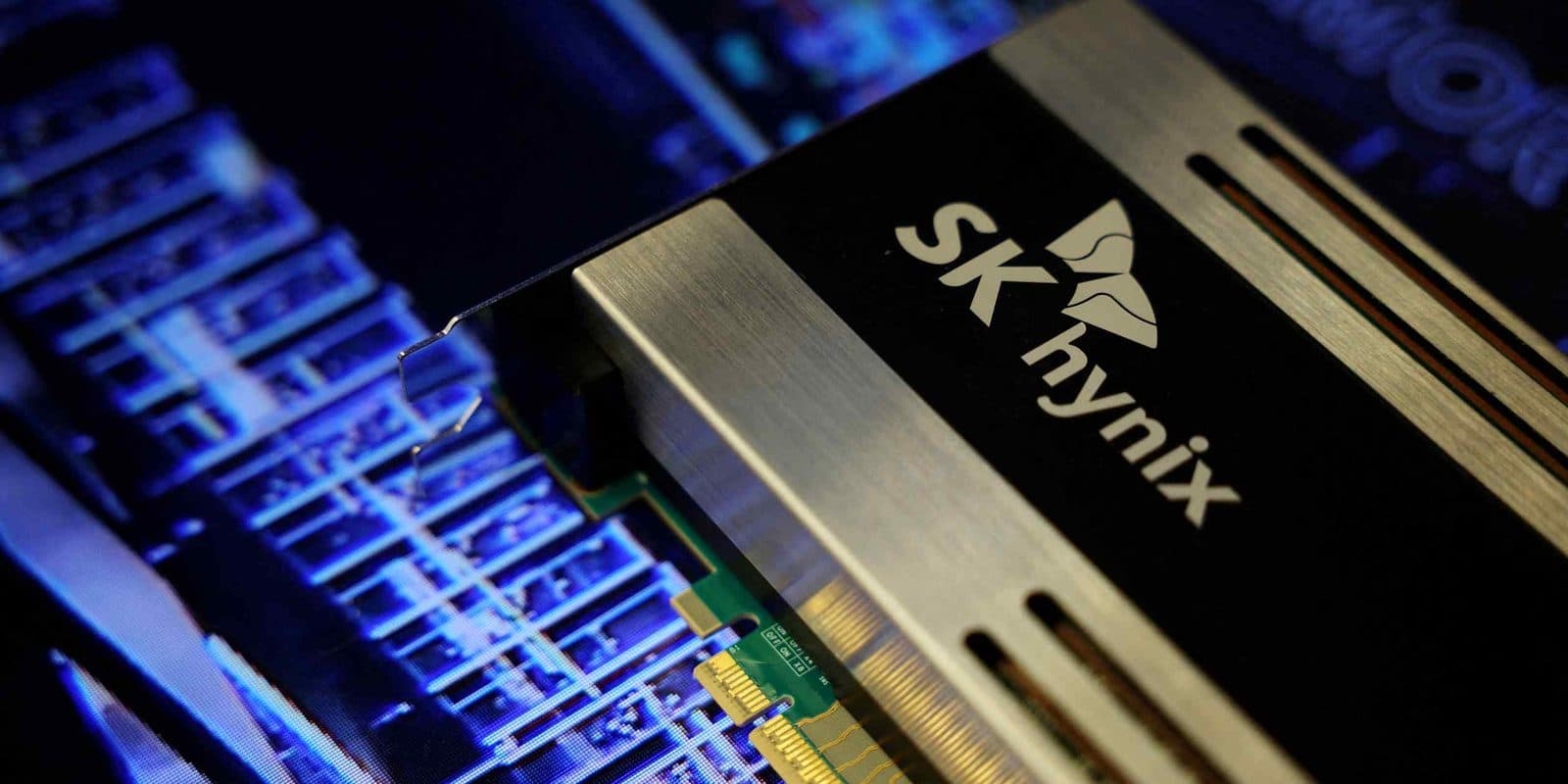
Semiconductors ran $281.2bn from January to August, up 169.6% year on year, and are 40.6% of total exports. They supplied about 74% of the overall increase. Total export growth was 52.8%; non-chip export growth was 18.0%. Shipments to China rose 76% and to the United States 57%. The second-largest export category, automobiles, fell 4%. The Korea Customs Service expects $1 trillion in annual exports by early December.
What the received framing gets wrong
"Korea's AI chip boom smashes the export record" is being read as a broad export expansion, and it is not: one product supplies three-quarters of the growth while the next-largest category shrinks. The more consequential misreading is what the 169.6% measures. It is overwhelmingly a price effect — memory contract prices, not units shipped. The same tonnage of DRAM and HBM leaving Korean fabs would print the same record if prices rose the same way. AI demand is the cause of the price; the export figure measures the price, not Korean AI capability, and not volume.
Why that distinction has a cost
A price-driven record reverses when the price does. Memory has done this before, and the exposure now sits under a national industrial programme sized against these numbers — the same week KEPCO was reported asking Samsung and SK hynix to prepay power bills, and Korea's own AI budget lines were being questioned. An export base where 40.6% of the total and 74% of the growth ride on one cyclical price is a memory-cycle exposure described as an AI economy.