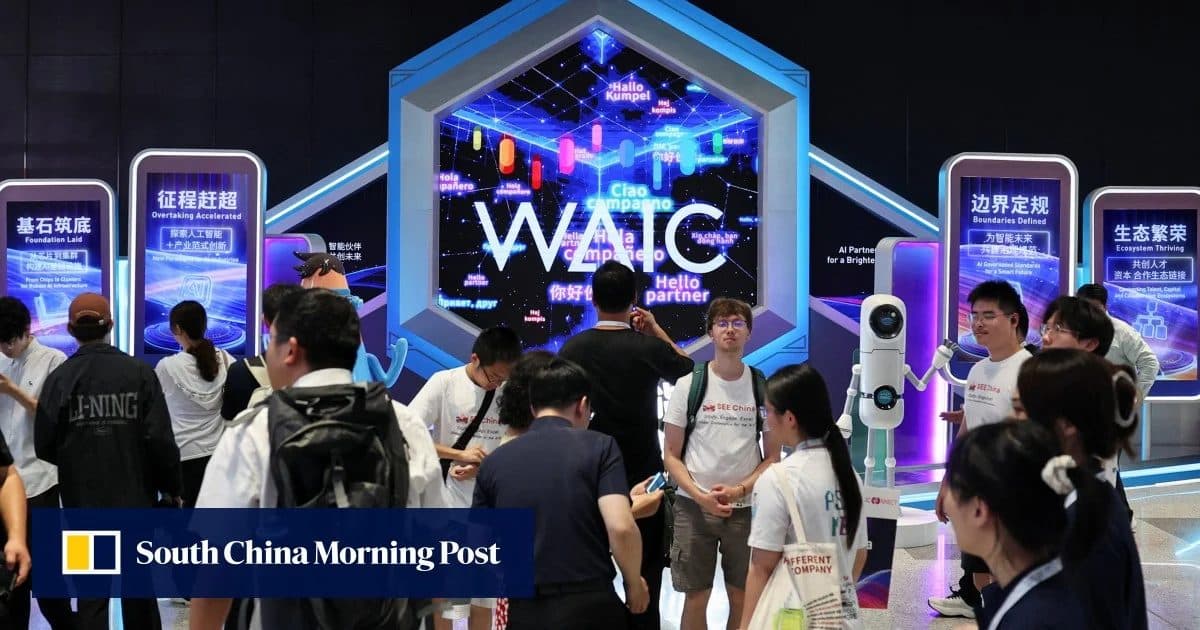
As AI's electricity appetite becomes a political problem worldwide, one Chinese city is proposing to wire the two together at the source. During WAIC on July 19, Changzhou, in eastern Jiangsu province, announced what it bills as China's first city-level "green token factory" — AI compute powered directly by clean energy.
The concept
A "token factory" reframes a data center by its output: the tokens that large language models generate. Changzhou's pitch is to power that output with renewables, connecting the facility directly to green-energy plants under a national policy that lets clean power bypass the public grid. That direct link is meant to cut both cost and carbon from every token produced.
The numbers
Once complete, the city projects the facility will produce 60 trillion tokens per year, and it targets a 62.5% increase in token output from the same computing resources — an efficiency claim as much as a capacity one. Partners named include Alibaba Cloud and Wangsu Science and Technology, alongside several other parties.
A plan, not a plant
The important qualifier: this is an announced, aspirational project. Changzhou gave no completion timeline, and the figures are municipal projections rather than measured output. The "first city-level" framing is a claim by the local government, positioning Changzhou in an intensifying national contest to host AI infrastructure.
Why the framing matters
Tying compute to dedicated renewables is a direct answer to the backlash now dogging data centers elsewhere over power and water use. If the grid-bypass model works, it becomes a template other Chinese cities can copy — and a contrast to Western buildouts that increasingly strain existing grids and provoke local opposition.