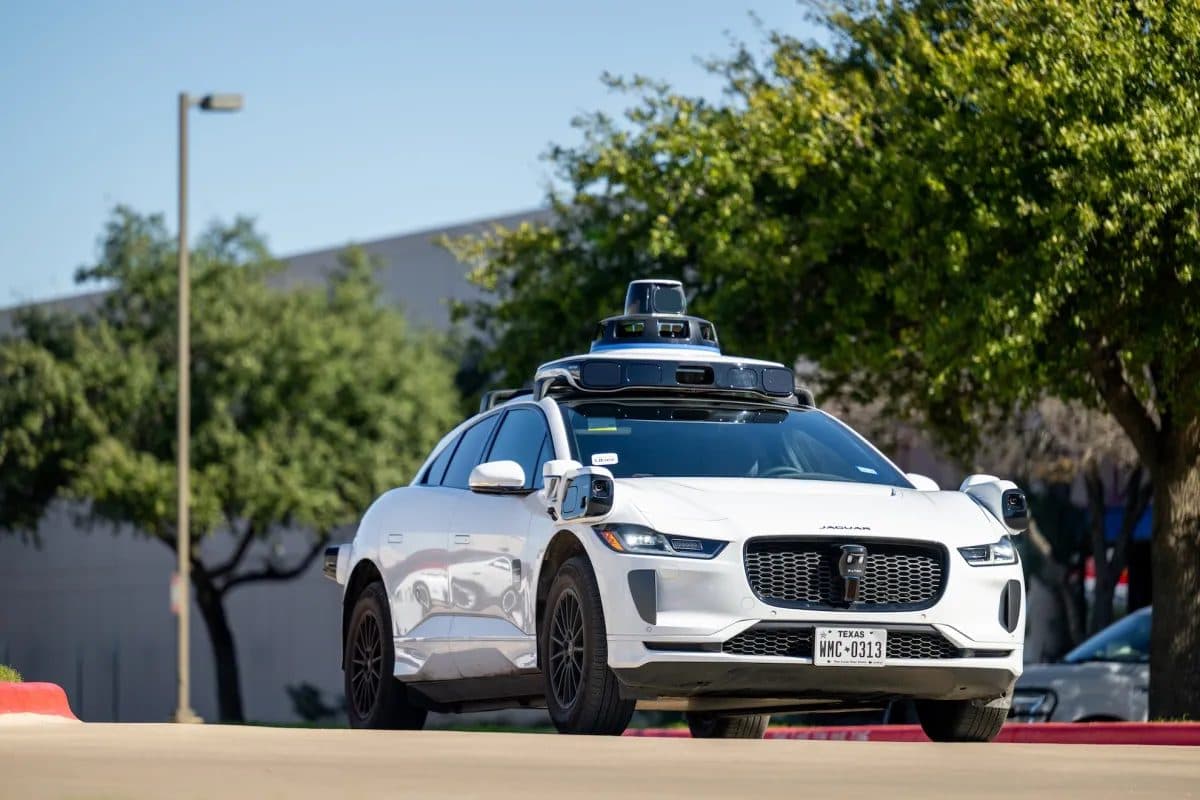
NHTSA's Office of Defects Investigation posted the first batch of Waymo's responses in PE26001 on 21 August, the preliminary evaluation opened after one of the company's Jaguar I-Pace robotaxis struck a nine-year-old girl in Santa Monica. Every substantive response in the posted batch is redacted as confidential business information.
The underlying incident
The collision happened on 23 January 2026, within two blocks of an elementary school and during drop-off. The vehicle was travelling at 17 mph and had braked to 6 mph before impact. The child suffered minor injuries and was not hospitalised. ODI opened the probe five days later, on 28 January.
What the common framing gets wrong
The natural reading of "Waymo hands over documents" is that the record opened. It closed. What reached the public docket is a set of pages whose contents are withheld — the regulator has the answers, the public has the redaction bars. Two distinct events are being collapsed into one, and only production to NHTSA occurred. A second reflex worth resisting: a preliminary evaluation is not a finding of defect. NHTSA has made no determination, and an open probe is a question, not a verdict.
The timeline is the other story
NHTSA issued 12 questions on 23 March with an original deadline of 8 May. Waymo sought an extension on 1 May and was granted more time on 10 of the 12. A partial response letter followed on 8 July, and the first batch reached the docket on 21 August — seven months after the crash that prompted it. Waymo's safety senior director framed the company's aim as supplying information that facilitates the investigation "while avoiding extraordinary production and review burdens."
Why the redactions are the substance
Every city council currently weighing a robotaxi permit is asking whether operational safety data becomes public record or stays trade secret. This is the live test of that question, and the answer so far is that the operator decides what the public sees. Confidential-business-information designations are routine in vehicle defect probes and are made by the submitting company in the first instance; the agency can challenge them, but nothing on the docket indicates that has happened here.