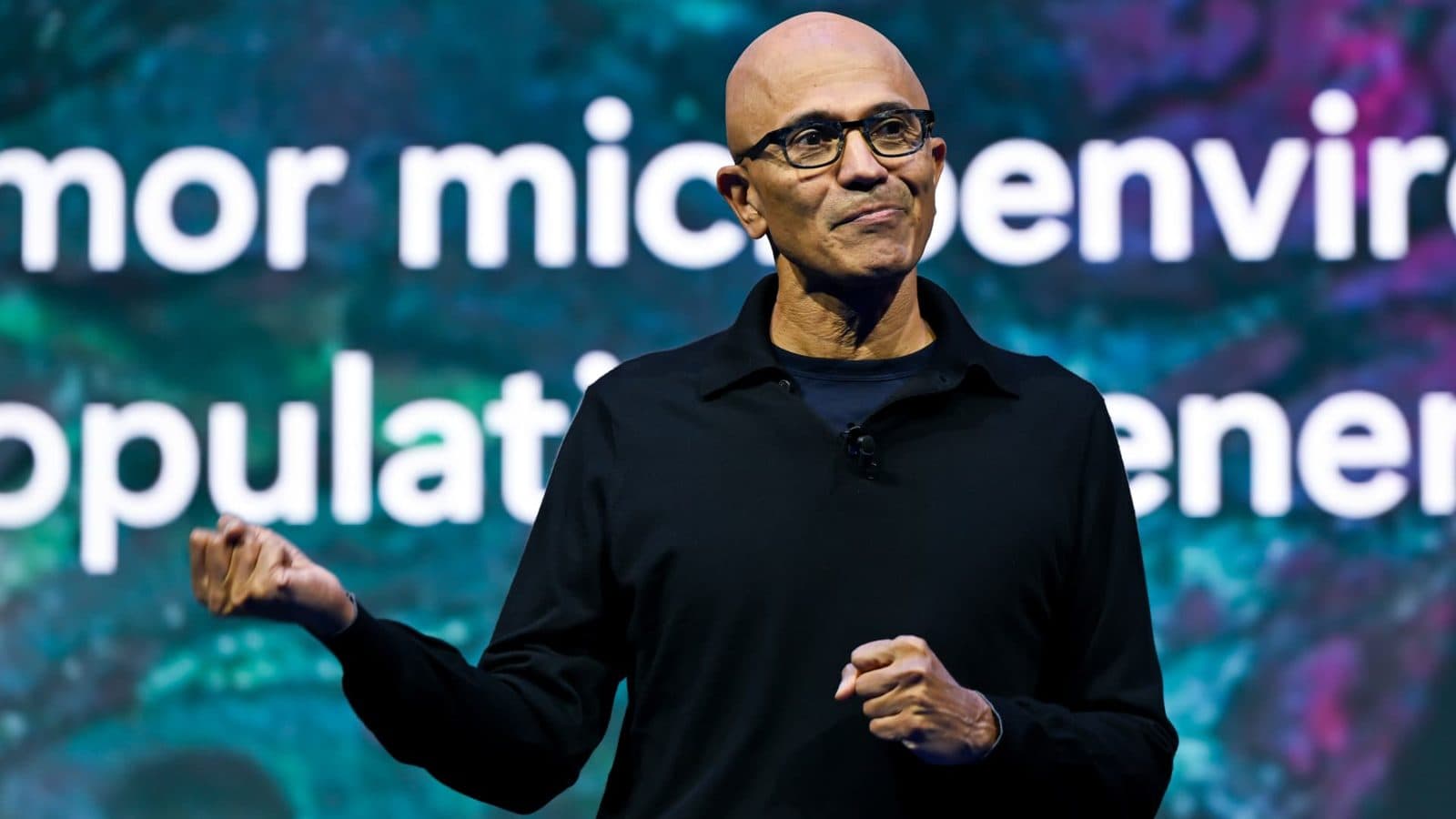
Microsoft CEO Satya Nadella delivered an unusually public swipe at one of his company's most important AI partners, telling Copilot engineers that Anthropic's Claude Fable 5 is excessively restricted, in remarks reported by CNBC on July 16.
What he said
"When was the last time you had a creation tool that was so editorially controlled?" Nadella asked, according to the report, adding that the model's refusal limits "don't make sense." The remarks came in an internal session with engineers working on Copilot, portions of which reached CNBC.
The awkward math
The criticism lands inside a deeply entangled relationship. Microsoft invested $5 billion in Anthropic, and Anthropic in November committed to $30 billion in Azure compute spending — one of the largest cloud commitments ever signed. Anthropic's models, including the Fable generation, sit alongside OpenAI's inside Microsoft's Copilot products. Nadella is, in effect, complaining about a product he partly owns, resells and hosts.
What 'editorially controlled' means
Anthropic has been explicit that the Fable 5 generation ships with additional safety measures for dual-use capabilities, alongside anti-distillation protections designed to stop rivals from training on its outputs. Those guardrails are the company's core differentiation — the same posture that earned it the top grade, a C+, in the Future of Life Institute's safety index earlier this month. What Anthropic markets as responsibility, Microsoft's CEO is now framing as product friction.
The reaction
Microsoft shares dipped in overnight trading as the comments circulated, and the story ran hot into July 17 coverage. Anthropic did not immediately engage publicly. The episode echoes Bloomberg's reporting a day earlier that Microsoft has coached its sales force to position Copilot against both OpenAI and Anthropic — partners on the cap table, rivals on the invoice. For a company that spent 2025 assembling the industry's most diversified model portfolio, the friction is starting to look less like an anomaly and more like the operating condition of owning stakes in labs whose products compete with your own.