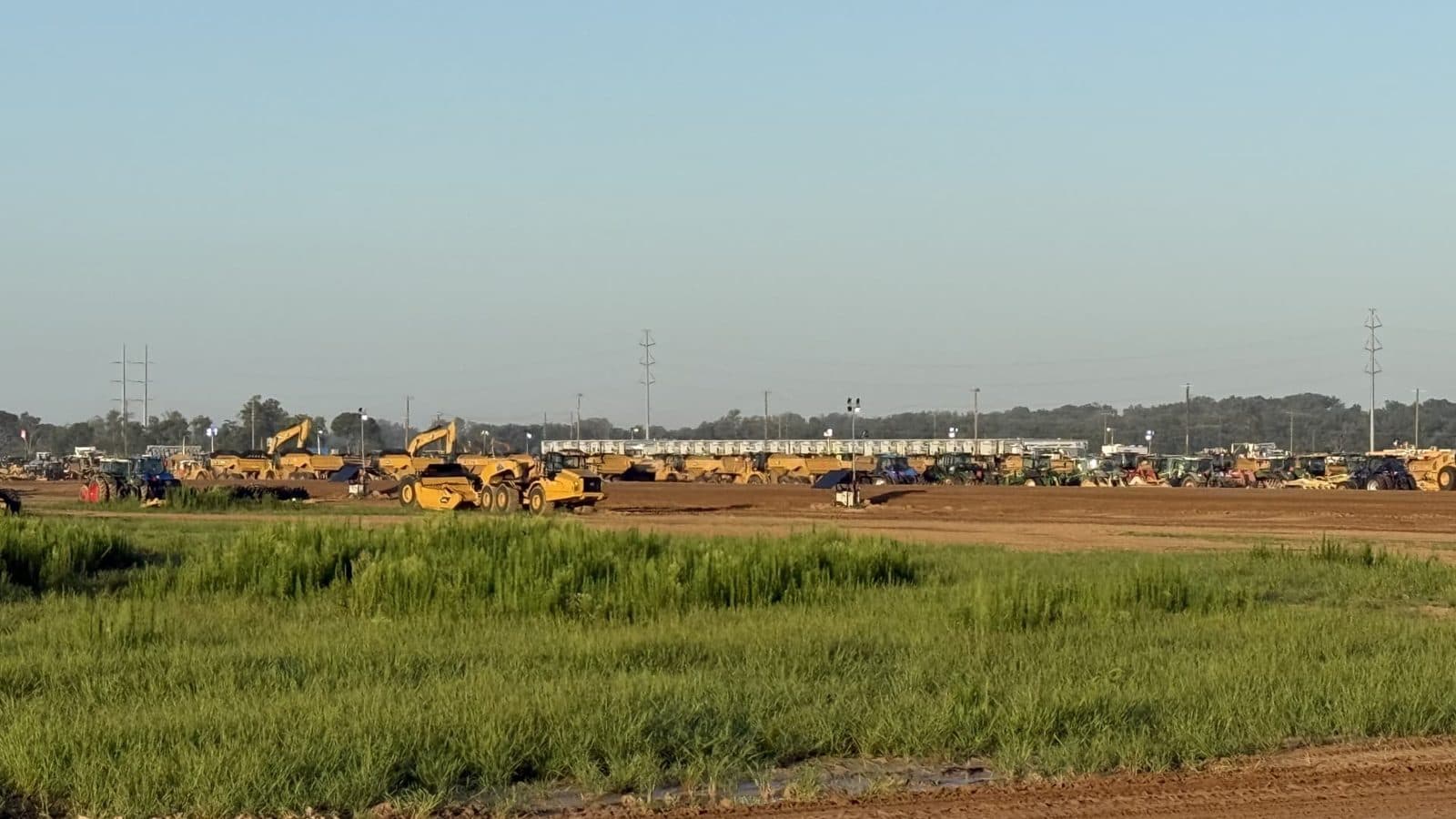
Meta is pouring even more into the largest data center it has ever built. On July 13, 2026, the company said its "Hyperion" AI campus in Richland Parish, Louisiana will grow from a planned 2 gigawatts to 5 gigawatts of compute, and that committed investment will more than double — from the roughly $27 billion announced in October to over $50 billion.
A quarter-trillion-dollar site
The headline capital figure is only part of the bill. Bloomberg reported that total spending on the site will surpass $250 billion over its operating life once chips, power and years of operation are counted — a sum that would make Hyperion one of the most expensive private infrastructure projects in American history. Meta is also committing more than $1 billion to local road, water and sewer upgrades around the rural parish.
The state's incentive
Louisiana is leaning in. Governor Jeff Landry signed a 20-year sales-tax exemption to support the build, part of a package of incentives states are increasingly dangling to land hyperscaler campuses and the construction jobs and tax base they promise. Meta targets bringing 2 GW online by 2030, with the remaining capacity phasing in afterward.
Not the Alberta project
Hyperion is separate from the Canadian data center Meta broke ground on this month in Alberta; the two are parallel prongs of a global capacity push. Meta CEO Mark Zuckerberg has framed this buildout as the physical foundation for "personal superintelligence," and the company has said it will spend "hundreds of billions of dollars" on compute in pursuit of it.
The power problem
A 5 GW campus is a small country's worth of electricity, and it lands squarely in the year's defining infrastructure question: where the power comes from and who pays for it. The scale-up arrives the same week the White House was reported to be pressing utilities and data-center operators to keep AI's soaring demand from raising ordinary customers' power bills — a tension every gigawatt-scale project now has to navigate.