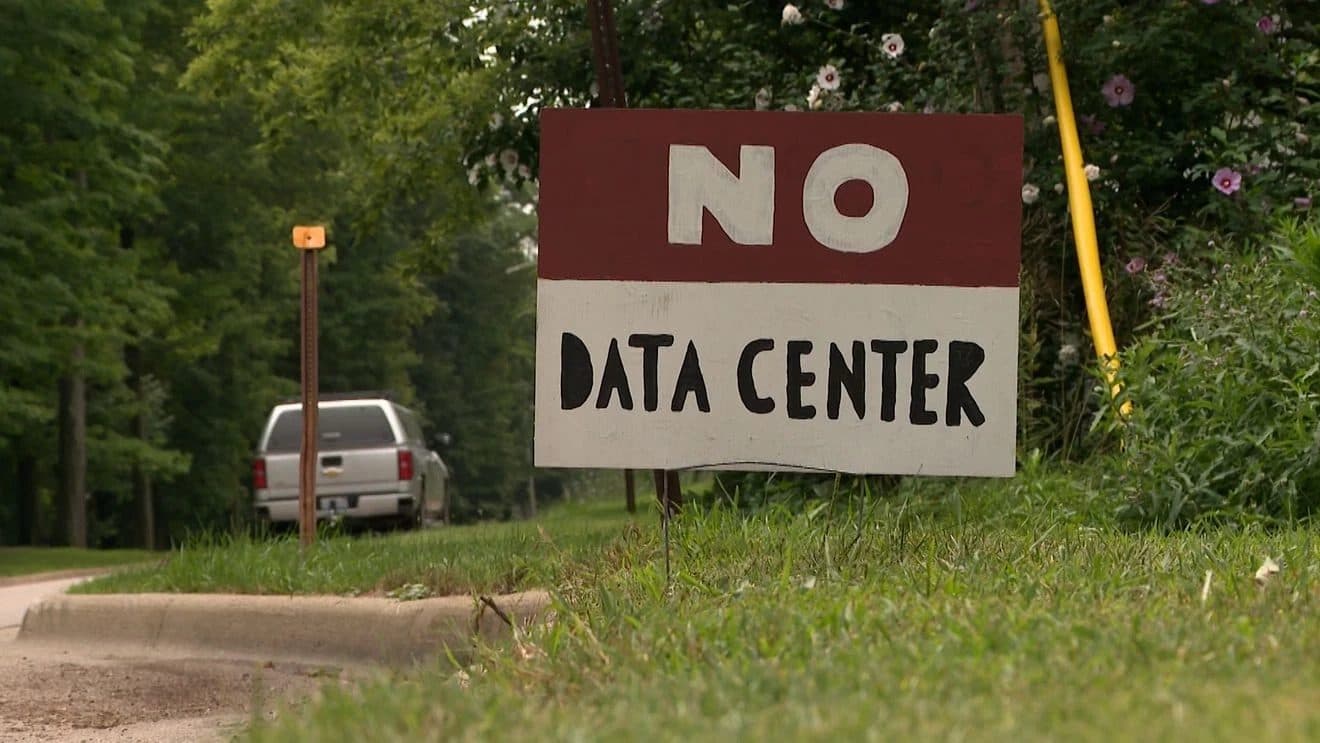
Police in Marshall, Michigan will not file criminal charges over threats made against city council members during the fight over a proposed data center, chief Josh Lankerd said, citing insufficient evidence.
The sequence
On Thursday 13 August, police alerted city officials that a death threat against council members had been assessed as credible, and issued a public warning. The anonymous complainant later told police they no longer believed the suspect posed a threat, and the suspect denied making the threats. No charges followed.
Two steps, easily conflated
Declining to charge is not the same as withdrawing the threat assessment. The first finding was that the threat was credible enough to warn elected officials; the second was that the available evidence did not meet the criminal threshold. Reporting the second as a retraction of the first inverts what happened — and the gap between them is where most of this kind of intimidation lives.
What is being fought over
Alterra Development's proposed data center on 270 acres at Brooks Industrial Park. On 3 August the council voted unanimously for a one-year moratorium on new data center development, sought so officials could study electricity demand, low-frequency noise and wetland and water impacts. No megawatt figure has been published for the project, and a moratorium pauses approvals rather than cancelling anything.
Who is absorbing this
Marshall's council members are part-time officials compensated $300 a year. The people making binding decisions about multi-hundred-acre AI infrastructure are volunteers in small towns, and the pressure now arriving at that level is not proportionate to either the pay or the institutional protection.
Why one small town matters
Local consent has become a real gate on US data center siting, alongside interconnection queues and permitting. Moratoria are spreading across Michigan municipalities, and each one is a concrete year of delay on a specific site. A year is long enough to move a project to another state — which is how community opposition, which has no formal power over national buildout plans, ends up shaping them anyway.