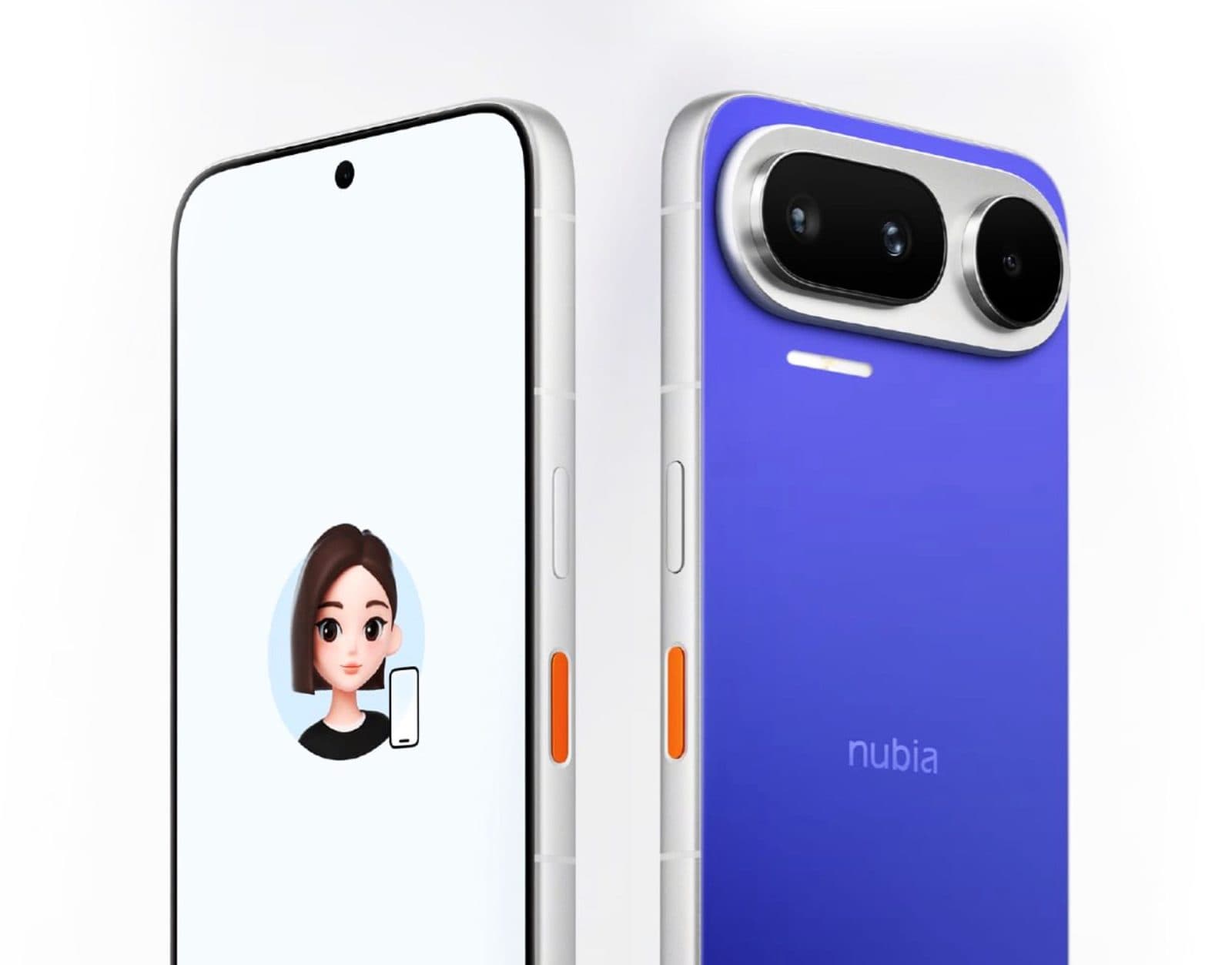
The smartphone industry's next reinvention is being pitched around agents, and China just planted a flag. At WAIC on July 18, ZTE, through its Nubia sub-brand, unveiled the NaviX Ultra and billed it as the world's first "agentic AI" phone.
An agent on a button
The defining feature is immediacy. Users can summon ByteDance's Doubao AI agent by voice or a dedicated hardware button, then hand off multi-step tasks: opening apps, comparing prices, filling in details and completing purchases without tapping through screens. The phone is designed less as a slab of apps than as a device you delegate to.
Long on concept, short on specs
ZTE demonstrated the experience but held back the details that usually define a launch. Full hardware specifications and pricing were withheld until later in 2026, leaving the NaviX Ultra as a statement of direction more than a finished product. It ships in four colors — black, pink, white and blue.
Proven appetite
There is evidence buyers want this. Nubia's December 2025 agent-phone prototype, priced at 3,499 yuan (about $517), sold out its first 30,000-unit batch, with secondary-market prices reportedly doubling. That demand is part of why every Chinese handset maker is now racing to rethink the phone for the AI era.
A contested 'first'
The "world's first" label is already disputed: rival StepFun claimed the same title for its StepX Neo on July 13, before WAIC opened. And there is regulatory friction in the background — Doubao's user-created custom-agent features were disabled on July 15 under China's new rules governing AI companions, a reminder that agentic phones will ship into a tightening policy environment.