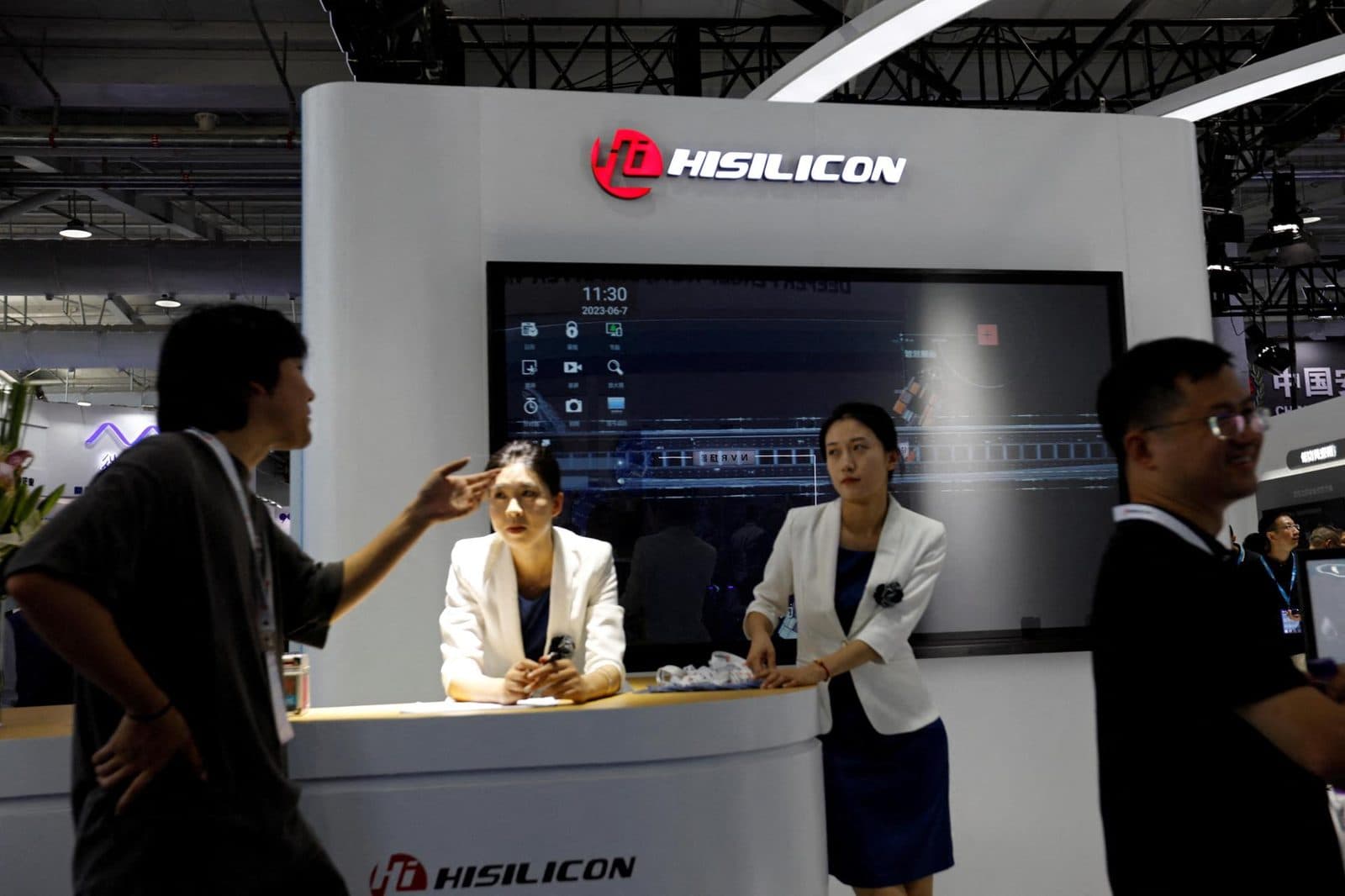
Reuters reported on 4 September that the United States and China were preparing talks on AI safety for mid-September. The earliest syndicated carbon is stamped 03:00 KST on 5 September — 18:00 UTC on 4 September — which fixes the report inside the window. What it actually establishes is narrower than the headline that followed it around the world.
The sourcing
Two anonymous sources briefed on the discussions, and a third familiar with the matter. No government confirmed anything. The Chinese ministries and the State Department declined comment or did not respond.
The on-the-record denials are in the same story
A White House official: "there is currently no planned AI-related meeting in mid-September." A Treasury spokesperson: "no meeting is planned." Those are the only attributable statements in the piece, and both contradict the headline it carries. Reuters also notes that "the final agenda and participants remain in flux, the sources cautioned."
What is claimed
Treasury Secretary Scott Bessent for the American side; Vice Premier He Lifeng as his protocol counterpart, or possibly Ding Xuexiang. An agenda covering monitoring of AI-directed cyberattacks, a proposal that US and Chinese AI labs police themselves and share information, and alleged Chinese distillation of proprietary US models.
What the received framing gets wrong
Within hours the headline hardened from "gear up for" to "talks set for mid-September", and aggregators are now carrying it as a scheduled bilateral event. It is a proposal described by unnamed sources, denied on the record by two agencies that would be organising it, with participants and agenda unsettled. The verb is doing work the reporting does not support. Journalistically the story may well be right — governments deny meetings that later happen — but a reader who takes it as a fixture is reading two anonymous sources as a calendar entry.
Why the specifics matter more than the meeting
The agenda item that carries policy weight is model distillation. If that becomes a formal bilateral grievance, it is also the justification for the next round of export controls — and it arrives days before a reported Xi-Trump summit, into a market that reads every US-China AI signal as a chip-policy signal. A dialogue that Treasury says is not scheduled is not yet a basis for pricing that.