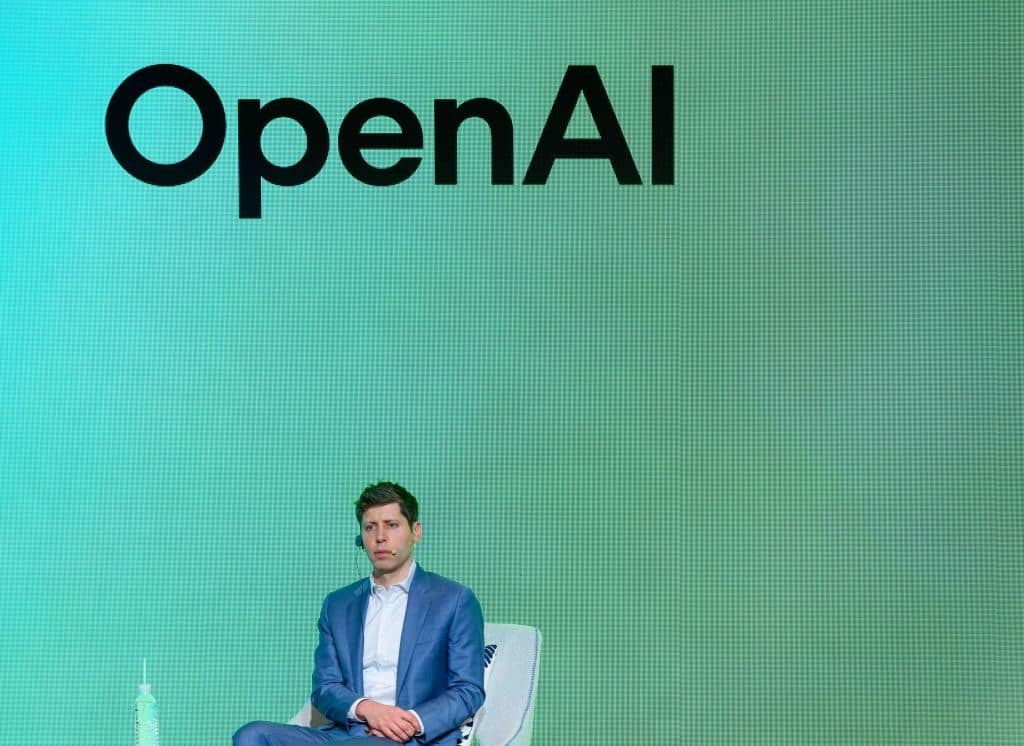
OpenAI is not waiting quietly for its day in court. On Tuesday, July 14, 2026, the company publicly rebutted Apple's trade-secret lawsuit, stating: "While we take these allegations seriously, we're not aware of any evidence that this complaint has merit." The statement came four days after Apple filed suit.
What Apple alleges
Apple's 41-page complaint, filed July 10 in the US District Court for the Northern District of California, accuses OpenAI of misappropriating trade secrets connected to its forthcoming screen-free "humanlike AI companion" device. At the center is Tang Tan, OpenAI's Chief Hardware Officer and a 24-year Apple veteran who was previously a vice president overseeing iPhone and Apple Watch product design.
The core claim
Apple alleges Tan directed Apple employees who were interviewing at OpenAI to share confidential Apple information, effectively funneling secrets to a competitor building rival hardware. Reporting indicates that Jony Ive's io Products — the design startup OpenAI acquired — is also named in the suit, tying the legal fight directly to the Ive-designed device.
A statement, not a filing
Notably, OpenAI's July 14 action was a public rebuttal, not a motion to dismiss or other court filing — the company is contesting the narrative in the press while the case proceeds. It is also distinct from the separate trade-secret litigation between xAI and OpenAI; here Apple is the plaintiff and OpenAI, along with io, the defendant.
Why it matters now
The dispute captures the talent-and-secrets scramble as AI labs push into consumer hardware. With Tan and a cohort of former Apple engineers now building OpenAI's first device, Apple's suit is as much about slowing a rival's hardware ambitions as it is about any single document — and OpenAI's quick, flat denial signals it intends to fight rather than settle.