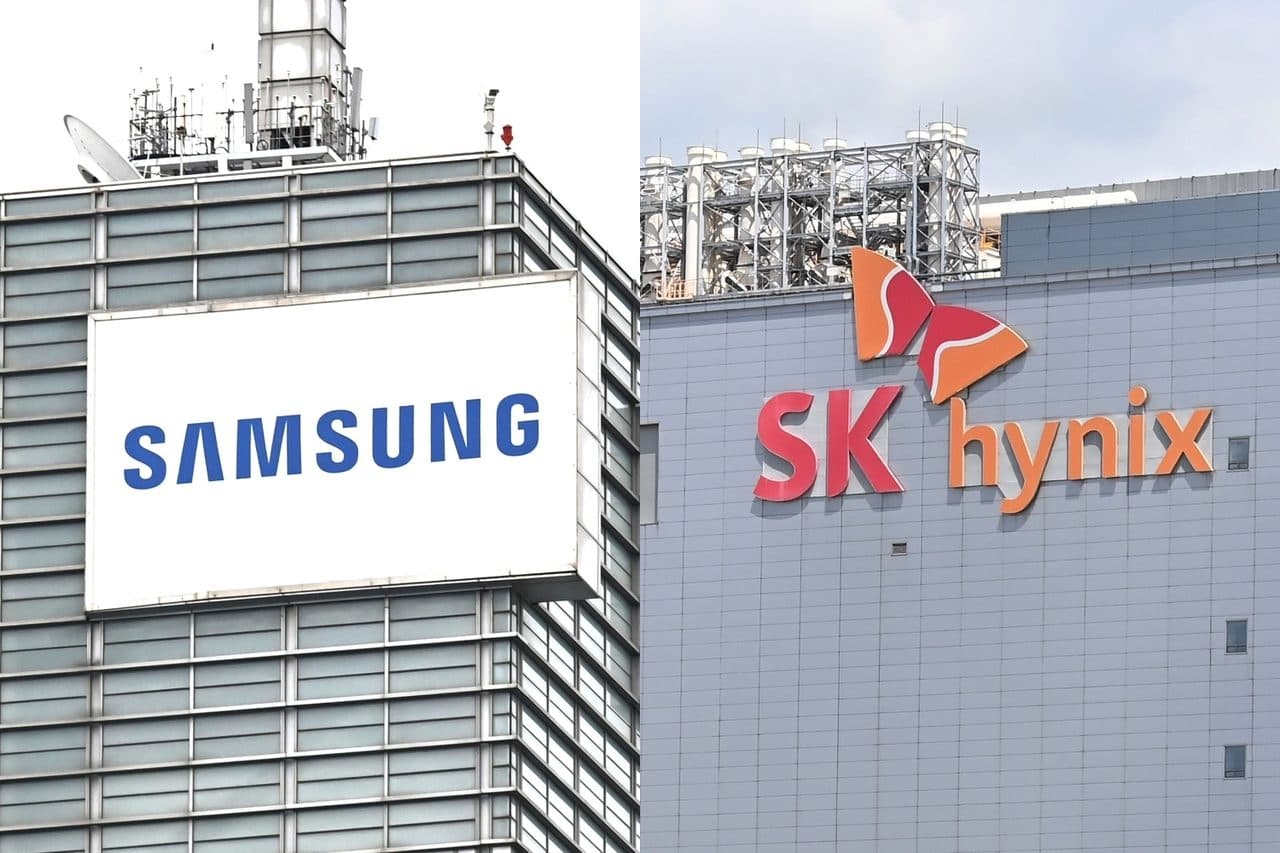
Samsung Electronics and SK hynix paid a combined 11.21 trillion won ($7.99bn) in corporate taxes for the first half of 2026, up 167% year on year, according to regulatory filings disclosed on Sunday. The Korea Herald published the figures at 13:49:19 Korean time — 04:49:19 UTC on 30 August.
The split
Samsung paid 3.99tn won, up from 1.12tn a year earlier. SK hynix paid 7.22tn won, more than double the previous year's 3.07tn and a record for the company, passing its own 4.53tn won first-half mark set in 2019.
Two corrections the number invites
First, this is not an all-time high. The combined total is the second-highest for any first half, trailing the 12.66tn won paid in 2019 — a detail the source states directly and summaries tend to drop. Second, and more consequential, an August payment in Korea is an interim instalment based on provisional first-half results, not a settled bill. Companies with December fiscal years settle the previous year's income in March; roughly 2,600 large-group affiliates make the August payment on a provisional basis. The final liability moves at settlement.
Why 167% is a lagging indicator, not a demand signal
Corporate tax payments trail earnings. The 2019 peak that still tops the table reflected the 2018 semiconductor boom, when Samsung posted 58.9tn won of operating profit and SK hynix 20.8tn. Reading this year's 167% jump as a live measure of AI demand gets the direction of time wrong: it measures August instalments against August instalments, one cycle behind the revenue that produced them.
The forward arithmetic, and its caveat
First-half operating profit on a separate basis reached 146.7tn won at Samsung, from 11.4tn, and 98.2tn won at SK hynix, from 16.7tn. Consensus puts full-year figures at 385tn and 266tn won against 43.5tn and 47.2tn in 2025. Applying a 20% effective rate to combined separate-basis profit of 500–600tn won suggests a bill above 100tn won — but that is the source's own back-of-envelope, it uses parent-only rather than consolidated figures, and actual payments fall with R&D and domestic-investment tax credits. The prior annual record to beat is 15.64tn won, also from 2019.