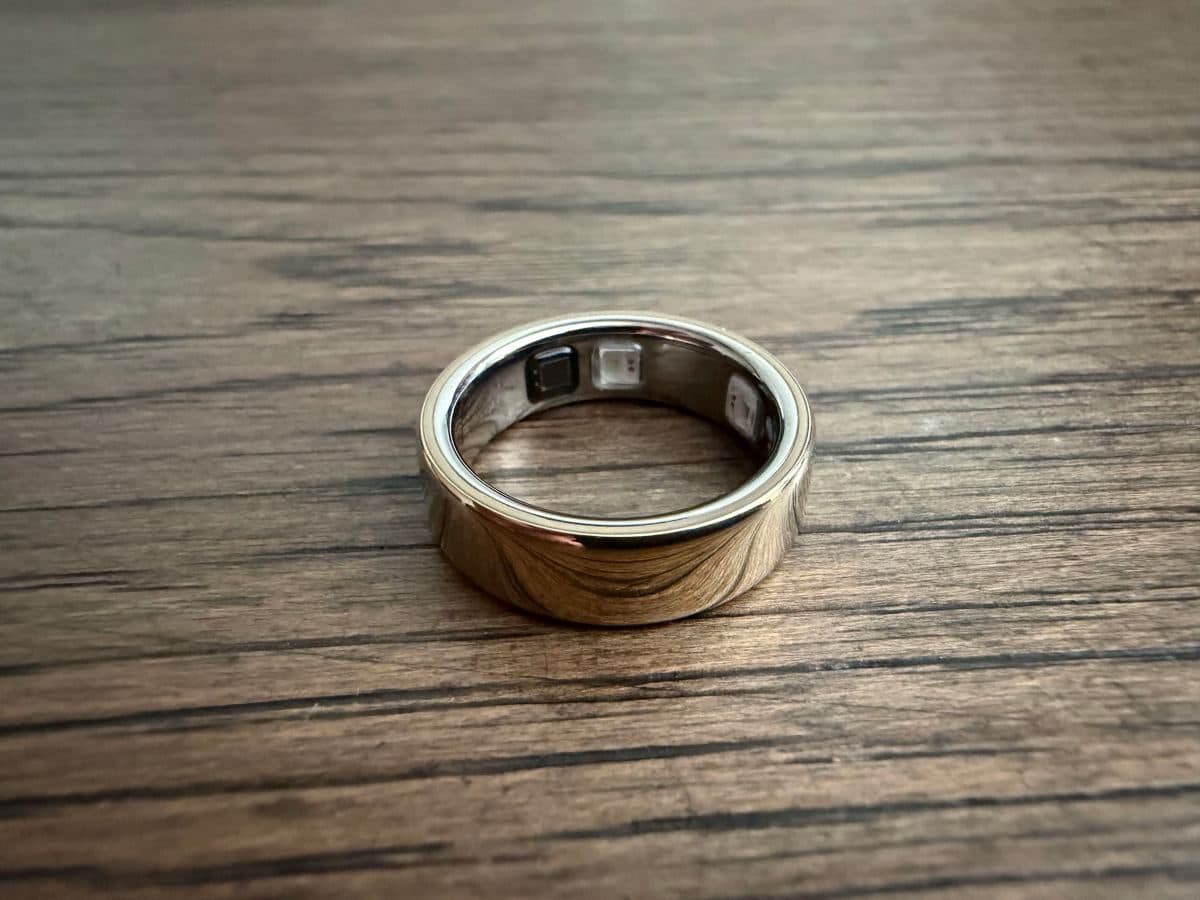
Oura filed publicly for a Nasdaq listing under the ticker OURA on 3 September, in a prospectus that leads on artificial intelligence and discloses a business that still sells rings. The document uses the term "AI" 137 times.
The audited numbers
Revenue grew from "$697.6 million to $1,214.5 million for the nine months ended June 30, 2025 and 2026, respectively, representing 74% year-over-year growth", after a jump from $406.8m to $907.9m between fiscal 2024 and 2025. For the nine months the company reports gross margin of 55%, net income of $60.8m and adjusted EBITDA of $106.7m. It holds more than 1,140 patents and patent applications.
The valuation is not in the filing
This is the cleanest correction available. The cover reads: "We are offering shares of our common stock, and the selling stockholders identified in this prospectus are offering shares", and "the initial public offering price per share of common stock will be between $ and $ ." Both are blanks, which is standard for a first filing. Any figure attached to "Oura's IPO filing" comes from bankers' estimates, not the document, and becomes real only in a later price-range amendment.
Part of the offering is a cash-out
The prospectus states plainly that "we will not receive any of the proceeds from the sale of the shares being sold by the selling stockholders." With the split blank as well, no version of "Oura raises $X" is supportable in either direction.
What the received framing gets wrong
The AI-dataset story is the pitch — "nearly 42 billion hours of longitudinal biometric data" that "powers our AI and machine-learning models." The revenue mix is the check on it: hardware is $974.0m, 80% of the total, against $240.5m of membership subscription, and the year before that split was 84/16. Gross margin of 55% is a device margin, not a software one. The data moat is real; today it is monetised by selling more rings. The profitability line needs the same care — net income was $0.01m in fiscal 2025 and $3.6m in fiscal 2024, and the company's own risk factor warns there is "no assurance that we will maintain profitability in any future period."