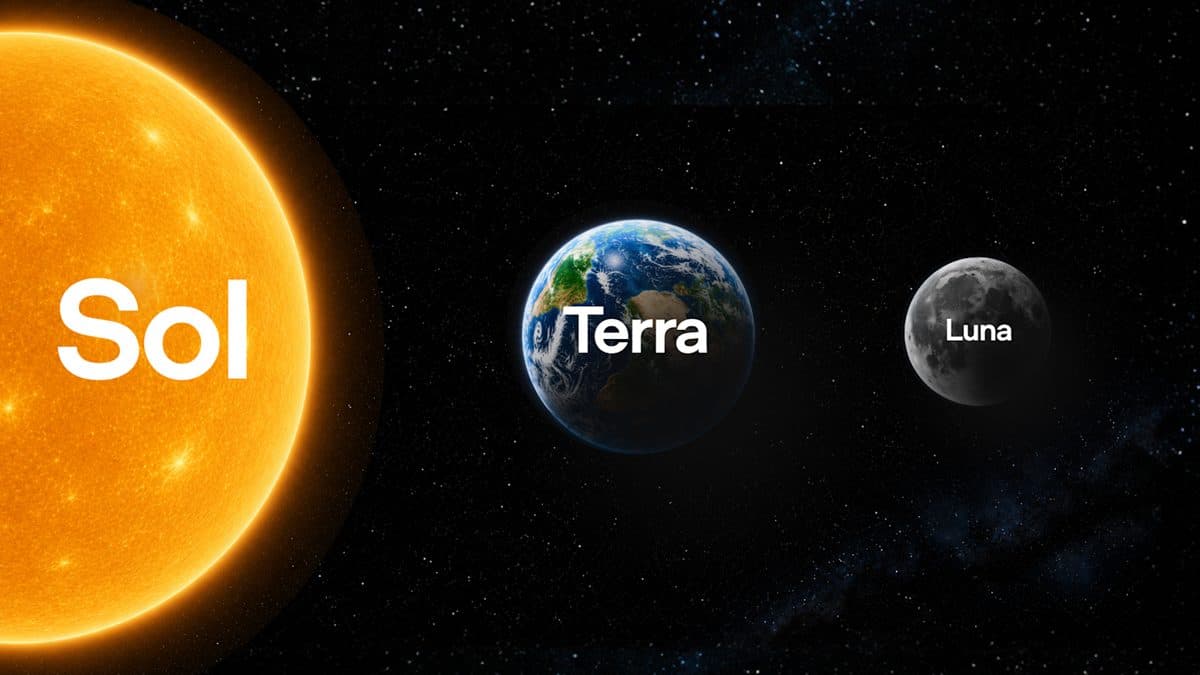
OpenAI released GPT-5.6 on June 26 in three variants — Sol, Terra and Luna — but limited access to roughly 20 vetted partners at the request of the US government. It is the highest-profile model yet to launch under emerging federal rules for reviewing frontier AI before it reaches the public.
Three models, three roles
The lineup splits by capability and cost. Sol is the most powerful, aimed at the hardest reasoning and coding work; Terra balances power and efficiency; and Luna is tuned for speed and affordability. OpenAI said GPT-5.6 Sol sets a new state of the art on Terminal-Bench 2.1, a test of command-line workflows that require planning, iteration and tool use.
The release also adds an "ultra" mode that splits a task among multiple sub-agents working in parallel, along with options for more extended reasoning. OpenAI said it plans to make all three models generally available "in the coming weeks."
Held back by Washington
The restricted launch follows an executive order President Trump signed on June 2 directing federal agencies to build a process for benchmarking and assessing the capabilities of new AI models before they are cleared for wide release. Under that arrangement, GPT-5.6 first went to about 20 government-vetted partners rather than to the general public.
That makes OpenAI a test case for how the review works in practice, and it applies to rivals too. Google's coming Gemini 3.5 Pro and other frontier models face the same question of whether they will be classified as "covered" systems subject to government review before broad deployment.
What partners get first
For the vetted partners, early access to Sol's reasoning and the new multi-agent mode is a head start on building products around the model. For everyone else, GPT-5.6 is visible but out of reach until the review step clears and OpenAI opens general availability — which the company has not dated beyond "coming weeks."