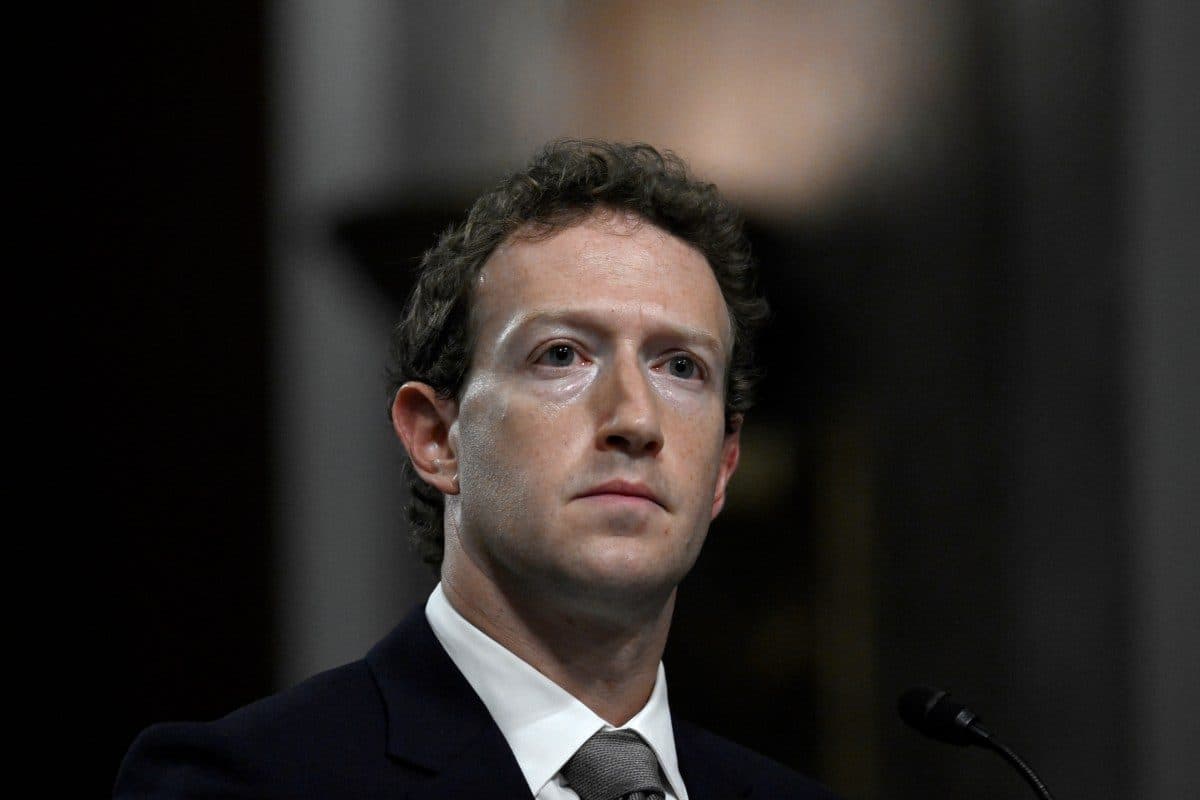
Two messages collided at a Meta all-hands on July 2, 2026. CEO Mark Zuckerberg conceded that the company's AI "agent" work hadn't "accelerated in the way that we expected" over at least four months; minutes later, AI chief Alexandr Wang claimed an unreleased model had reached parity with OpenAI's GPT-5.5. The contradiction became the story.
What Zuckerberg said
According to a recording obtained by Reuters, Zuckerberg told staff that the "trajectory of the agentic development over at least the last four months hasn't really accelerated in the way that we expected," and that the company's restructuring bets "haven't come to fruition yet." He said he expected a payoff in roughly three to six months and conceded that recent job cuts had not been as "clean" as they should have been.
The 'Watermelon' claim
Wang, per Business Insider, told the same meeting that "Watermelon" — Meta's next model after Avocado, the internal name for Muse Spark, which shipped in April 2026 — is "currently in training," "uses an order of magnitude more compute than Avocado," and has "caught up with" GPT-5.5. He did not name the benchmarks, and neither Meta nor OpenAI confirmed the claim.
Why the claim is shaky
Analysts flagged that reaching parity at roughly ten times the compute reads as brute force rather than a breakthrough; that the evaluation was vendor-run on unnamed benchmarks, "the least reliable category of evidence"; and that the target had already moved, since OpenAI shipped GPT-5.6 (Sol, Terra and Luna) on June 26 — meaning Meta is claiming to catch a model already a generation behind. Wang later argued on X that Zuckerberg had been describing industry-wide progress, not Meta specifically.
The stakes
Meta has reorganized around AI — building Meta Superintelligence Labs under Wang, who joined via the $14.3 billion Scale AI deal — and in May cut about 8,000 staff while reassigning roughly 7,000 to AI teams. It has raised 2026 capital-spending guidance to $125-145 billion. Meta stock fell about 4.9% on July 2, which analysts read as the market siding with Zuckerberg's caution over Wang's optimism.