Glow Security came out of stealth on July 22 with $180 million in funding at a $1.2 billion post-money valuation — a unicorn on day one, co-led by Sequoia Capital, Cyberstarts, Greenoaks and Redpoint Ventures, with Index Ventures, Lux Capital, Swish Ventures, Operator Collective and Holly Ventures participating.
Who built it
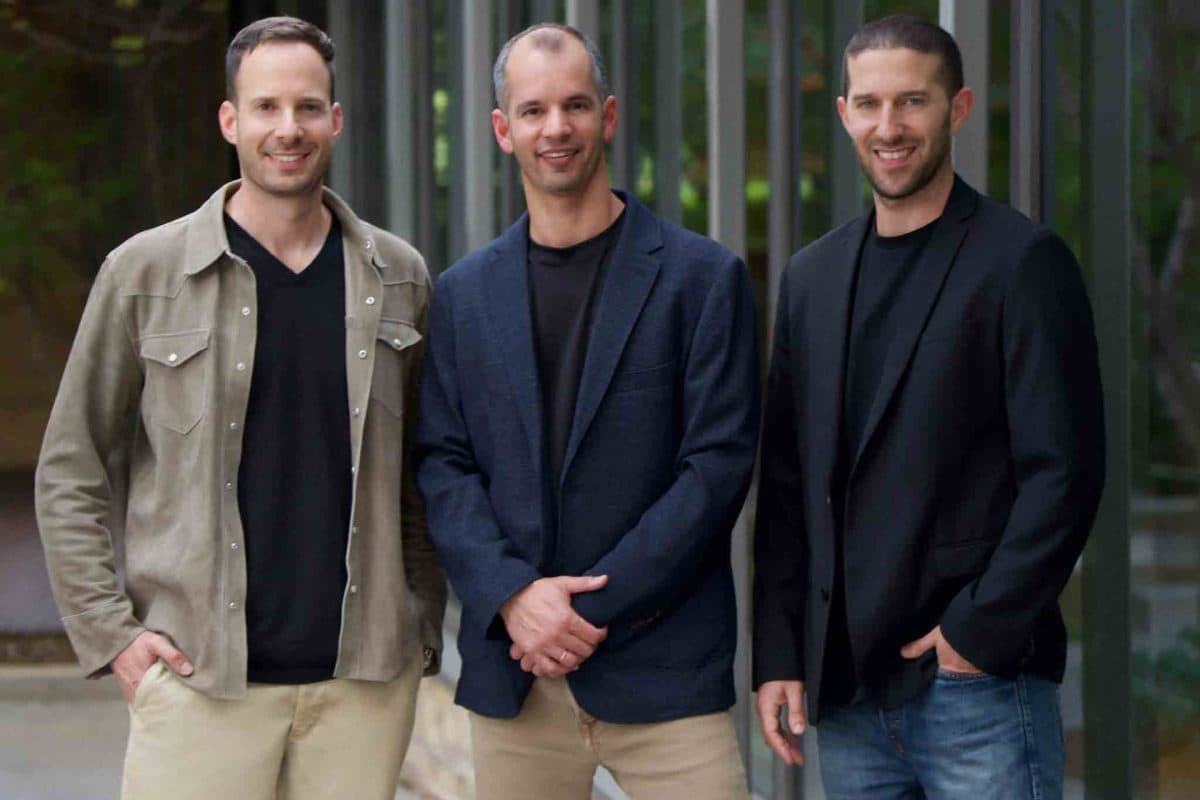
Founded in 2025 with dual headquarters in Tel Aviv and Palo Alto and about 100 employees, Glow is led by CEO Roi Tiger, a former VP of Engineering at Meta after nine years there. CTO Omer Singer previously headed cybersecurity strategy at Snowflake; VP R&D Ophir Arie came from Claroty; COO Emily Heath was CISO at United Airlines and DocuSign.
Prevention, run server-side
The product decides what software, developer tools and AI agents are permitted on an employee's device, and removes what is not — automatically. The architectural choice is that the agents doing the reasoning do not run on the endpoint. "Endpoint data is pulled into Glow, where all of the analysis, reasoning and policy decisions are made by over a hundred different specialized agents," Heath said. Tiger's framing: "Prevention was always the right answer in security. It just never worked at enterprise scale without blocking the business. AI solves that."
Not an AI-agent security company
Tiger pushes back on the narrow label. "We offer a broad solution for the entire endpoint market, not just AI. It is a $40 billion market with giant companies like CrowdStrike and SentinelOne," he said. The AI angle is the wedge: the company cites AI adoption on corporate devices climbing from 15% to 45% in a single year.
What is not public
Glow says it has signed enterprise customers in healthcare, retail and financial services but names none. One caveat on the headline: Israeli outlet Calcalist reports the $180 million spans three rounds, not a single Series A.