A notice on mturk.com says that Amazon Mechanical Turk "will permanently close on September 30, 2026." The platform launched in 2005. At its peak it carried over 500,000 workers completing microtasks for, in many cases, a few cents each.
What the notice says, and does not
Amazon attributes the decision to "a regular assessment of its programs and services" and directs workers and requesters to an FAQ. That is the entire stated rationale. There is no reference to AI, to demand, to economics, or to anything else. This closure also follows a step taken in July, when Amazon stopped accepting new customers — the wind-down began weeks before the end date was published.
What the common framing gets wrong
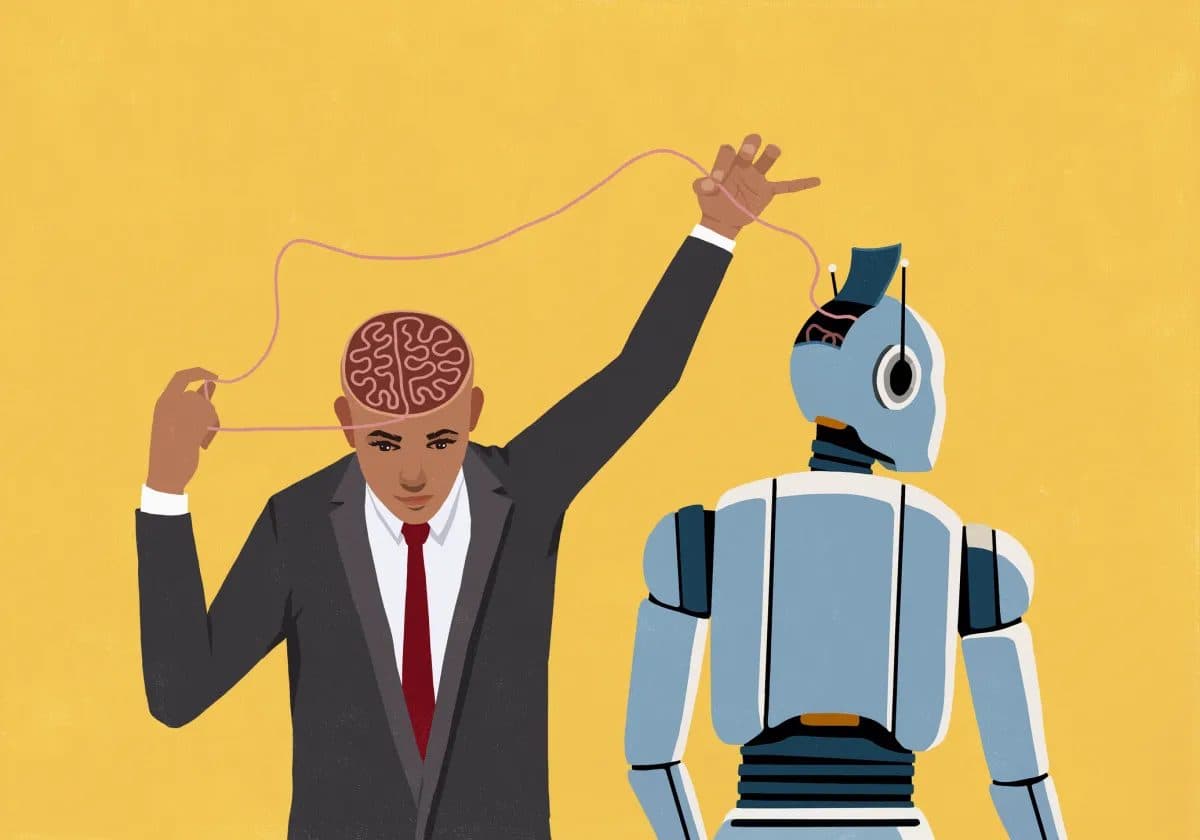
The irresistible line is "AI killed the platform that trained AI." It is too neat, and the record does not support it. What is visible is competitive displacement: purpose-built data-labour firms — Scale, Mercor, Prolific and others — took the demand for structured, quality-controlled annotation, which is what frontier training actually requires and what an open bounty board is poorly shaped to deliver. Second correction: MTurk was never mainly an AI-training pipeline. Its dominant uses were survey panels, transcription, content moderation and, heavily, academic social science. Treating its closure purely as an AI story misreads what the platform was.
The quieter casualty is research infrastructure
Two decades of psychology, economics and political-science literature ran subject recruitment through MTurk. Those studies were built on a specific participant pool with known characteristics and a large methodological literature about its biases. When the pool disappears, replication of that body of work becomes materially harder — not impossible, but no longer comparable to the original sampling frame.
A named end date is itself the news
Crowdwork platforms usually decay rather than close. Putting 30 September 2026 on the first at-scale marketplace for the piecework human labour behind machine intelligence gives that era a specific, citable end.