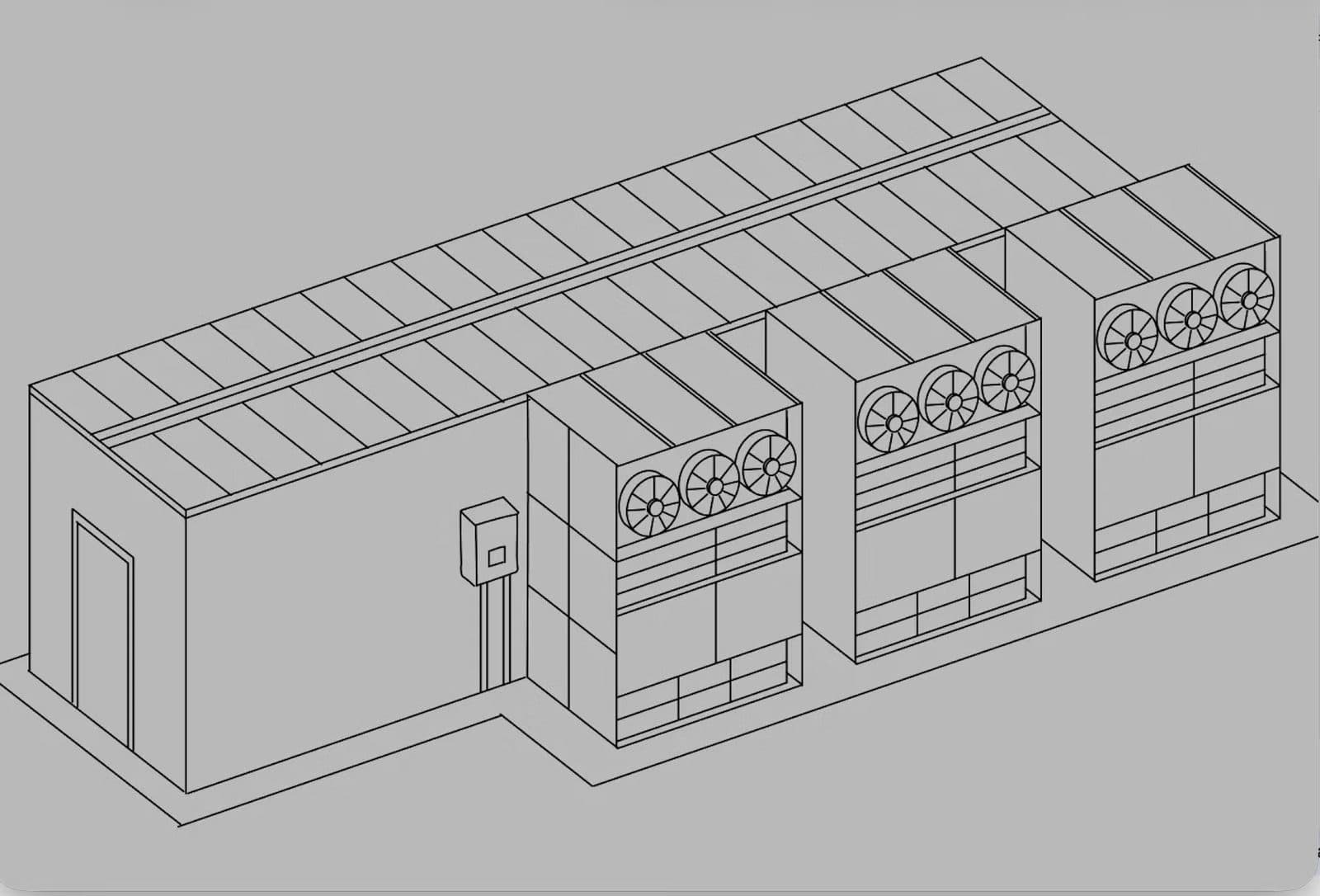
Energy Vault broke ground on 27 July on what it describes as a powered AI infrastructure campus in Snyder, Texas, to host ten Crusoe Spark modular data centres. The release is a useful object at a moment when the industry's unit of account has drifted to the gigawatt.
The actual size
Phase one is 8 MW of powered shell. Phase two potential is 25 MW — potential, not contracted. The commercial target for phase one is Q1 2027. The build includes N+1 redundancy and battery energy storage. Capital expenditure was not disclosed, and the release does not state whether the site is grid-tied or behind the meter.
Eight megawatts, in context
This is roughly one-thousandth of the projects that dominate AI infrastructure headlines, and about 0.6% of the contracted load a single neocloud reported the same evening. That is not a criticism of the project — 8 MW is a real facility that will run real accelerators. It is a criticism of the vocabulary. When a genuine groundbreaking and a 2-gigawatt memorandum of understanding are both described as an "AI infrastructure campus," the phrase has stopped carrying information.
The circle in the deal
The commercial structure deserves attention. Energy Vault buys the ten Spark modules from Crusoe, then leases them back to Crusoe as powered shell. The supplier and the tenant are the same company, which means the revenue and the counterparty risk are also the same company. It is a legitimate structure — modular vendors use it to move inventory and secure sites — but it is not third-party demand, and a reader counting this as external validation of Crusoe's order book would be counting the same transaction twice.
The missing line
No interconnection-queue position is disclosed. In West Texas that is the question that determines whether phase two happens on the stated timeline or at all — and its absence from a groundbreaking release is itself informative.