As AI races to understand the physical world, a Seattle startup is betting the key is a camera you wear. Augmodo raised $21 million — led by existing investor TQ Ventures — at a $350 million valuation, the company said on July 13, 2026. CEO Ross Finman said revenue has grown tenfold over the past year.
What it does
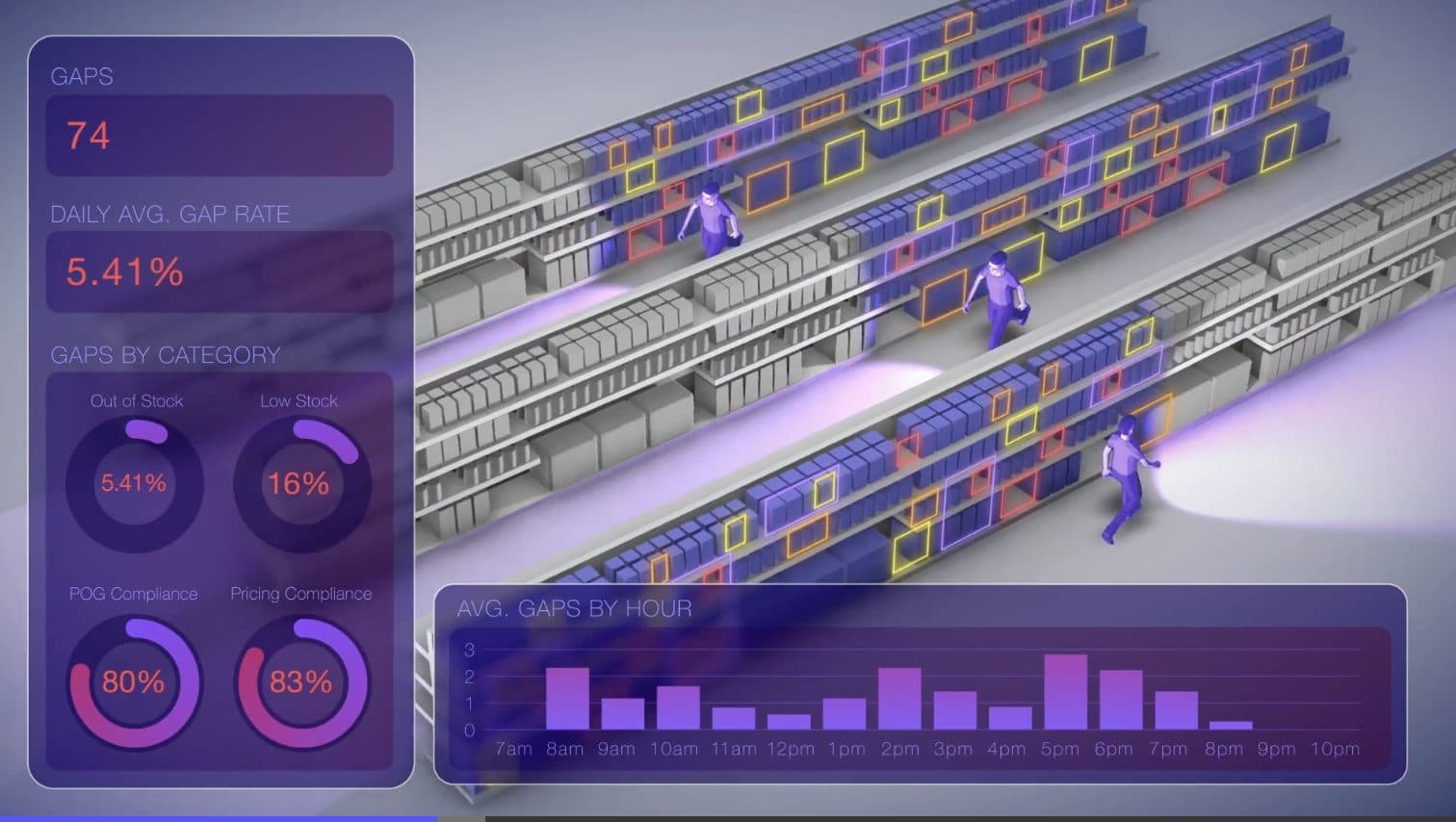
Augmodo's technology pairs wearable cameras with computer vision to build a continuously updated digital map of a physical space. Instead of relying on fixed sensors or periodic manual audits, staff simply go about their work wearing the device, and the system keeps a live, machine-readable model of what is where — a running "digital twin" of the environment that updates as things move.
Beyond the store shelf
The company cut its teeth in retail, where the immediate payoff is knowing in real time which shelves are empty or mis-stocked. But this raise is explicitly about expansion: Augmodo is pushing into warehouses, manufacturing, automotive and hospitals — settings where an always-current map of inventory, equipment and layout can drive efficiency, safety and compliance. The pitch is that the same wearable-plus-vision stack generalizes across any space where knowing the current physical state matters.
The 'spatial AI' thesis
Augmodo is riding a wave of interest in what the industry calls spatial AI — giving software a grounded, up-to-date understanding of three-dimensional environments, the missing layer between today's language models and the robots and logistics systems that act in the world. Tenfold revenue growth suggests the retail wedge is producing real demand, and the broader vision points at a much larger market in industrial operations.
The backers
Beyond lead investor TQ Ventures, the round drew Lerer Hippeau, Jefferson River Capital, Arena Holdings, Chemist Warehouse, New Fare, Interlace and the Webb Investment Network — a mix that pairs traditional venture firms with strategic and operator capital. The presence of a large pharmacy retailer among the backers hints at where some of the earliest cross-industry deployments may land.