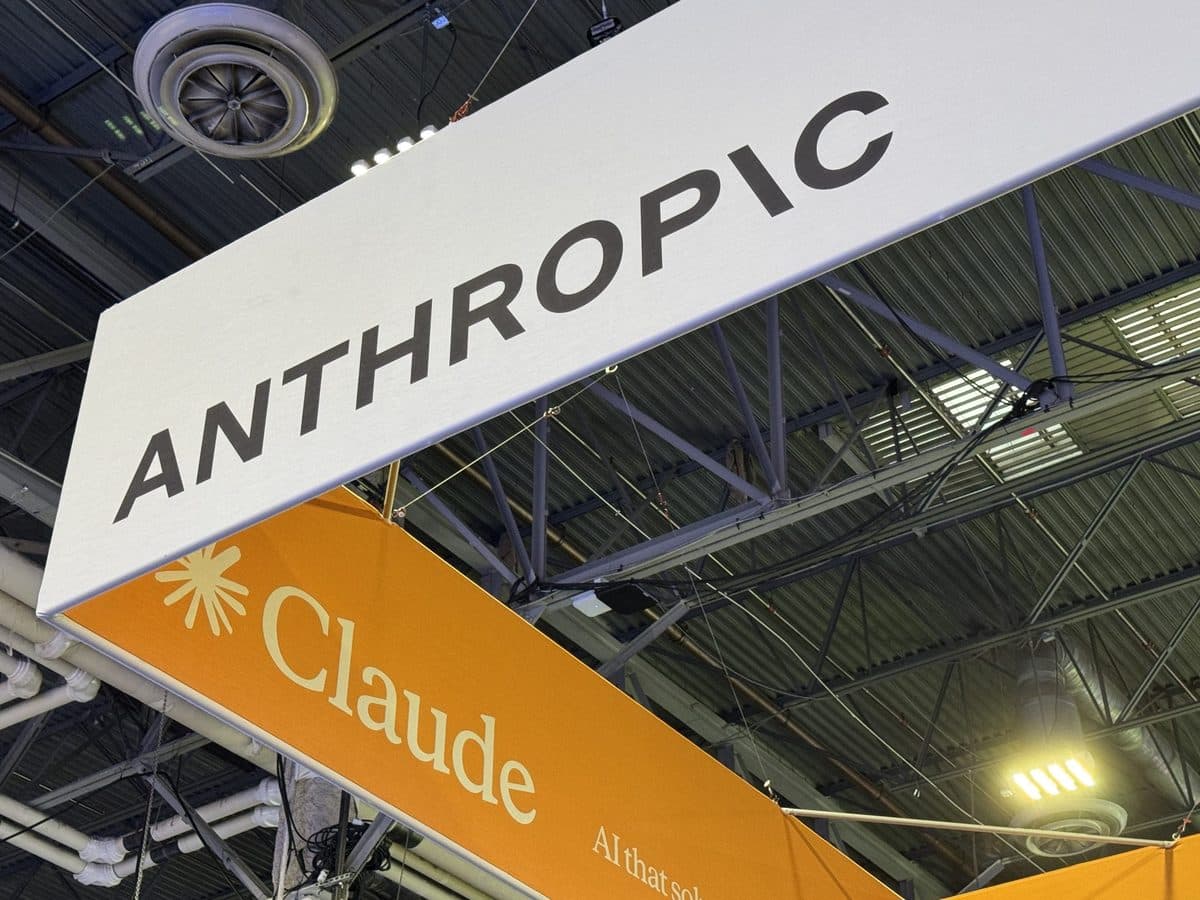
Anthropic released Claude Science on June 30, 2026 — a desktop AI workbench that aims to replace the fragmented toolchain of modern research, from PubMed searches and Jupyter notebooks to cluster terminals, with a single environment where every output can be traced, audited and reproduced.
What it is
Available in beta on macOS and Linux for Pro, Max, Team and Enterprise subscribers, Claude Science ships more than 60 curated skills spanning genomics, single-cell analysis, proteomics, structural biology and cheminformatics. Specialist agents query databases including UniProt, PDB, Ensembl, Reactome, ClinVar, ChEMBL and GEO, and Nvidia's BioNeMo toolkit (Evo 2, Boltz-2, OpenFold3) is integrated for model-based work. Every figure carries the exact code, environment and message history that produced it, and a dedicated reviewer agent flags citation errors, untraceable numbers and code-figure mismatches. Compute scales from a single GPU to hundreds, on local machines or HPC clusters; sensitive data stays on the researcher's systems.
How labs are using it
Anthropic's launch cites early adopters. Jérôme Lecoq of the Allen Institute built a computational-review template with 20 custom skills and says he now has "about 10 reviews, many more than 100 pages, with citations that were checked over by reviewer agents" — work that previously took as long as two years per review. Stephen Francis, an epidemiologist at UCSF's Brain Tumor Center, says the tool enabled germline analyses "in roughly one-tenth the time."
The grants
To seed adoption, Anthropic will support up to 50 projects with up to $30,000 in credits each, with early emphasis on biology and biomedical research. Applications close July 15; awards are announced July 31, and projects run September 1 to December 1, with Modal adding up to $2,000 in compute for select teams.
The science race
The launch lands in an escalating AI-for-science contest. Anthropic recently hired Nobel laureate John Jumper from Google DeepMind, while OpenAI released GeneBench-Pro on June 30 — 129 research-grade computational-biology problems on which its GPT-5.6 Sol Pro scored 31.5% against 16% for Claude Opus 4.8, per OpenAI's published results. The two labs are now competing over both the workbench scientists use and the benchmarks that define progress.