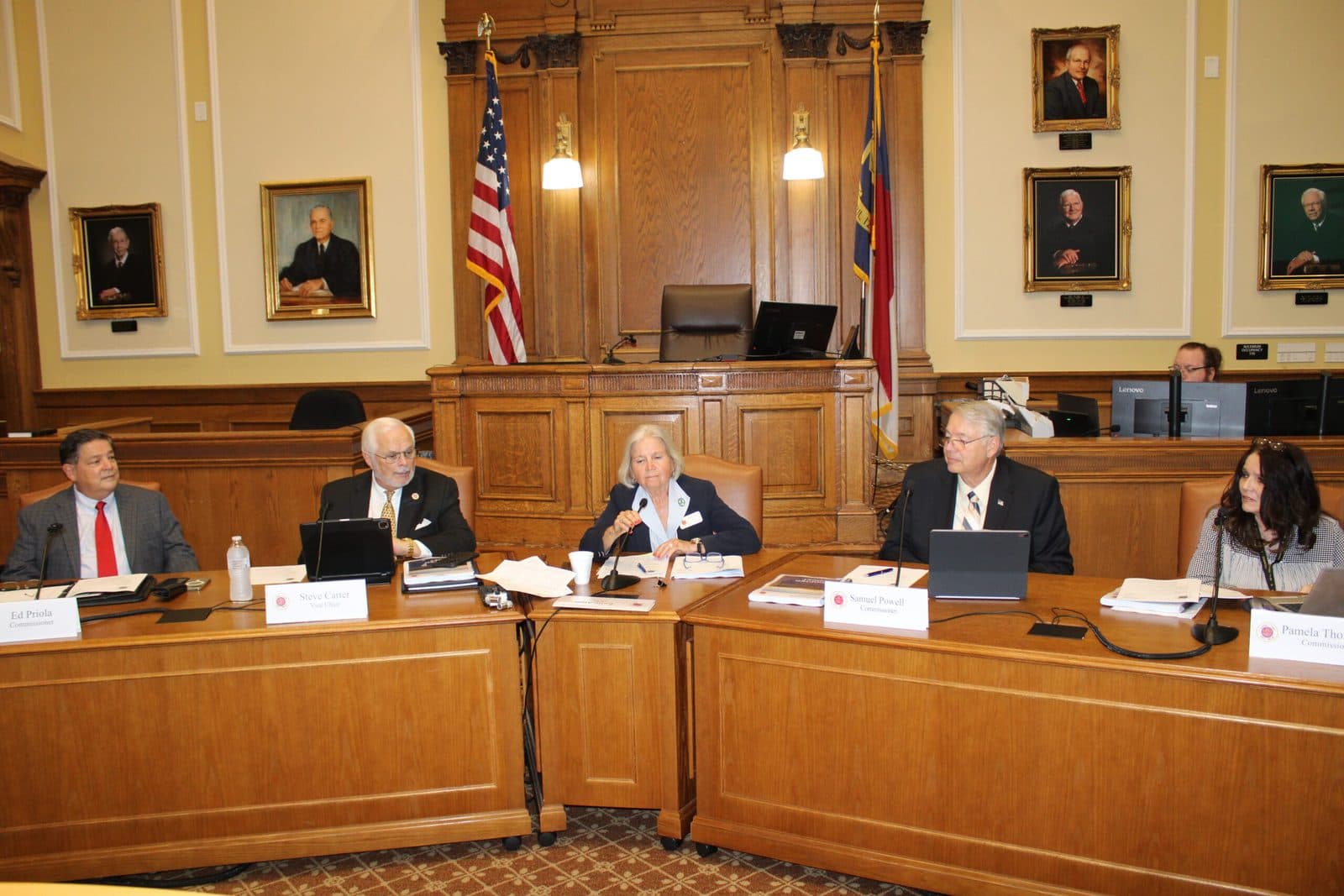
On the evening of 17 August 2026, after a public hearing at which more than three dozen residents spoke, the Alamance County Board of Commissioners in North Carolina unanimously adopted a one-year moratorium on data centres. County attorney Rik Stevens had drafted a potential motion for a six-month pause. Many of the residents who spoke asked for two years.
What the common framing gets wrong
The wire version of this is "county pauses data centres," which makes it one of dozens of interchangeable local items. What actually happened is more specific and more transferable: staff arrived with a six-month draft, the room demanded twenty-four, and the board landed on twelve and passed it without a dissenting vote. The delta between what was drafted and what was adopted is the finding. Elected officials in a county with an active data-centre pipeline moved to double their own attorney's recommendation on the night, unanimously, under public pressure.
A moratorium is not a ban
The second error is treating the word as prohibition. A moratorium pauses permitting while rules are written; it does not forbid data centres, and it expires. Its strength depends entirely on what gets drafted during the pause — and Alamance's own local coverage has been running the question of whether the county needs countywide zoning at all. A permitting pause in a jurisdiction with limited zoning is a much weaker instrument than the same word in a fully zoned county: it buys time to build the machinery that would do the actual regulating, rather than regulating anything itself.
Where the constraint is binding
Most analysis of what limits AI data-centre construction focuses on the interconnection queue and on generation capacity. North Carolina is currently demonstrating a different bottleneck. County by county, boards are pausing permits — and unlike a queue position, a moratorium cannot be bought out, accelerated by building your own generation, or routed around by a developer with capital. It has to be waited out or politically reversed.
Why one county matters
It does not, on its own. What matters is that these votes are now going through unanimously and coming out longer than staff proposed. A developer modelling site risk can price a hostile hearing. Pricing a county board that doubles its own lawyer's recommendation in one evening is considerably harder, and it is that unpredictability, rather than any single twelve-month pause, that changes where capital is willing to commit.